
LaGrange Garage Door Guide
Why Springs Break in LaGrange When Winter Turns Cold
In LaGrange, GA homes built mostly between 1967 and 2000, cold snaps break torsion springs that have gone stiff. Know when to call and when it can wait.
- Licensed & Insured
- Same-Area Service Calls
- Upfront Pricing
The Problem
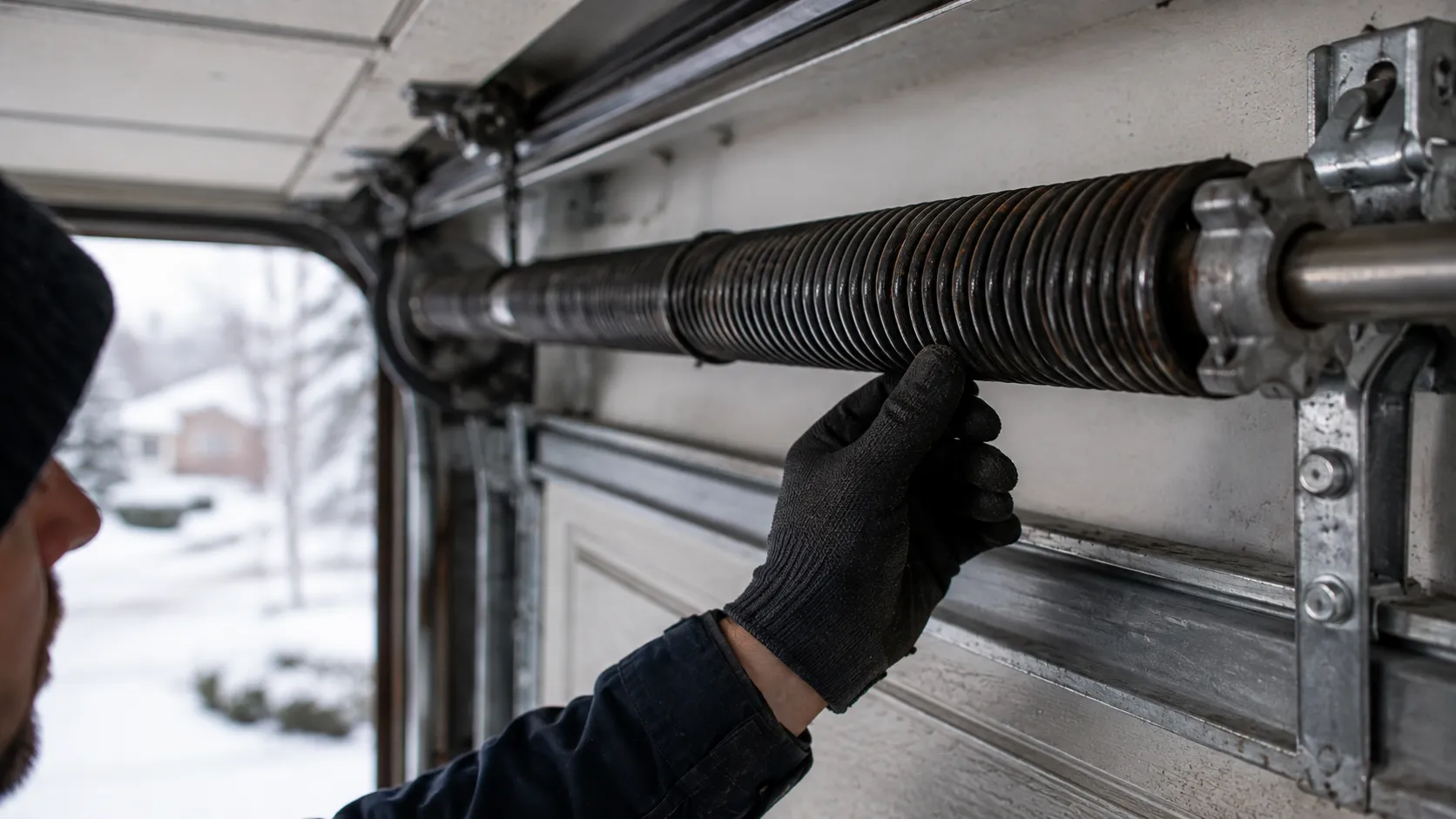
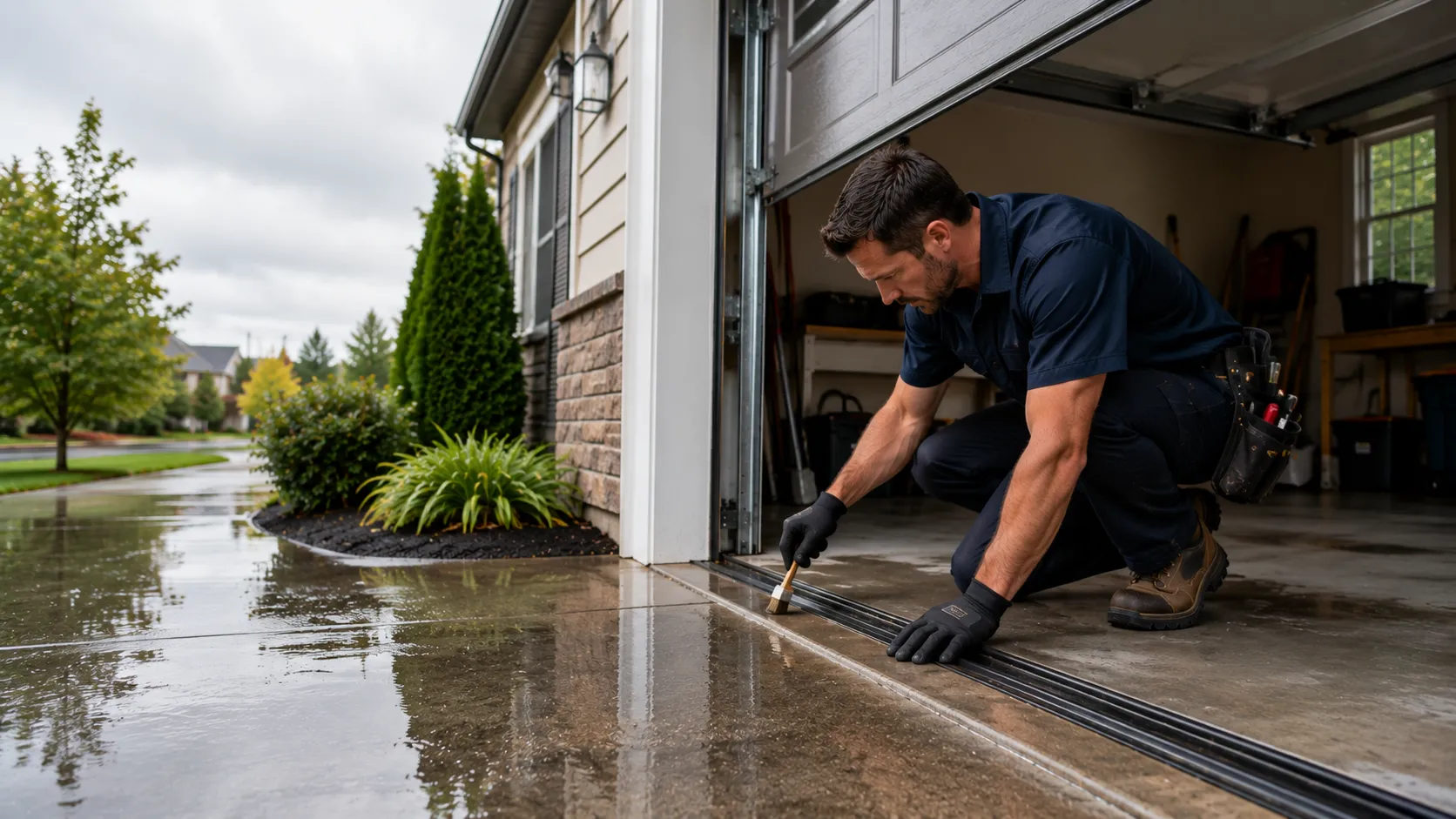
Most of the housing stock around LaGrange went up between 1967 and 2000, with the median build year landing around 1973. That's not ancient, but it's old enough that a lot of doors are still running on the torsion spring that came with the house, or a second one installed sometime in the 90s.
Six named areas in the service territory carry that same 1960s-70s build pattern, which matters because springs have a duty cycle. They're rated for a number of open-close cycles, not a number of years, and a 50-year-old house has put a spring through a lot of cycles even if nobody's touched it.
What actually breaks the spring is usually the last straw, not the whole story. A spring that's been slowly losing tension for years snaps on the one cold morning it gets asked to lift a door that's heavier than it used to feel. Around here that morning doesn't happen often, but when it does, it happens to a spring that was already close to done.
The age of the house is the real setup. The weather is just what pulls the trigger.
When It Stops Being a DIY Job
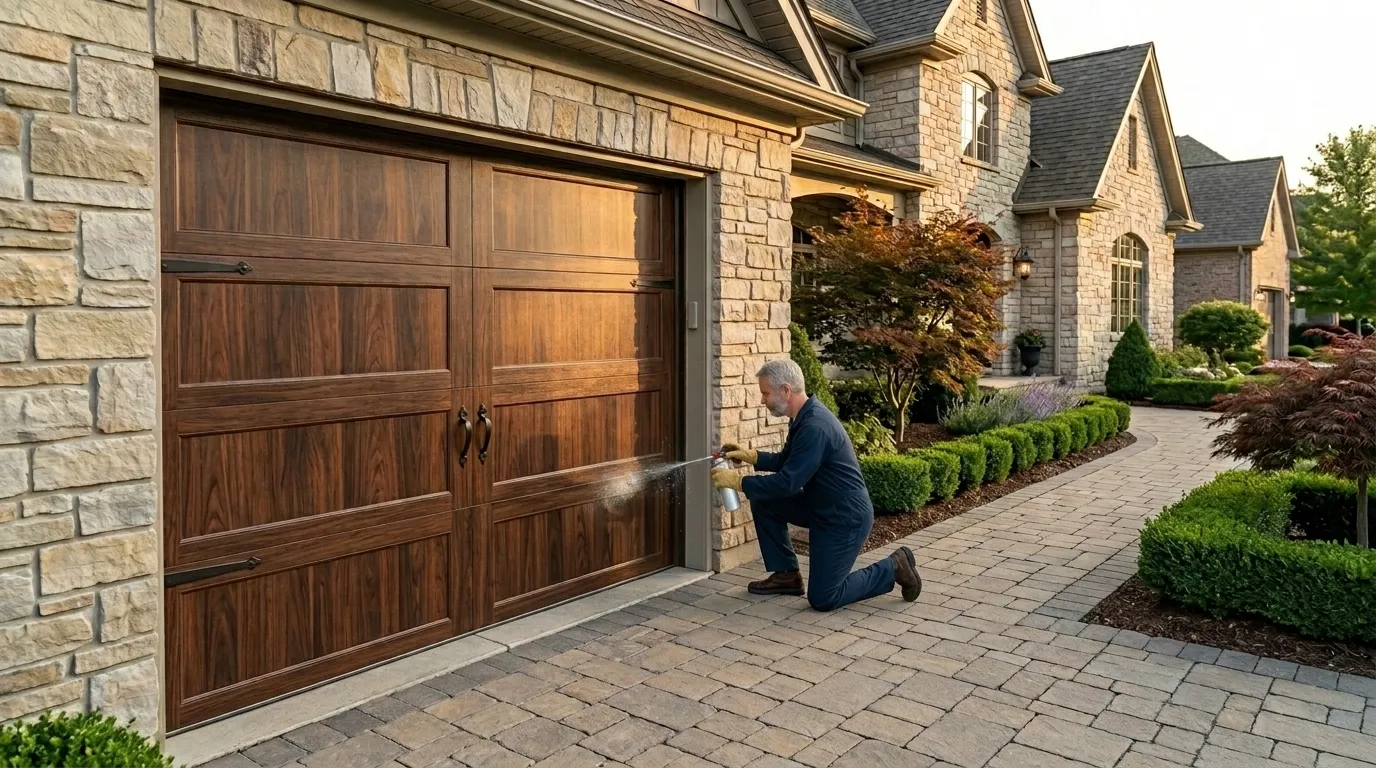
A torsion spring under tension is not a part to guess at, and on a door from a house built in the 60s or 70s, you're also dealing with hardware that may not match anything sold today. If the drum, the shaft, or the end bearing plate is original, swapping just the spring can uncover a second problem you didn't plan for. That's when a job that looked like an hour turns into a half day, and it's why we tell people not to start unless they know what they're looking at.
Across the service area there are 2,735 owner-occupied houses out of 5,105 households, and a fair number of those garages have never had the spring replaced at all. If your door is original to a house from that era and the spring goes, that's a call, not a video tutorial. We'll be straight about it: if the drum or shaft is worn past spec, patching just the spring is a short-term fix, and we'd rather tell you that up front than have you call back in six months.
How Local Conditions Play In
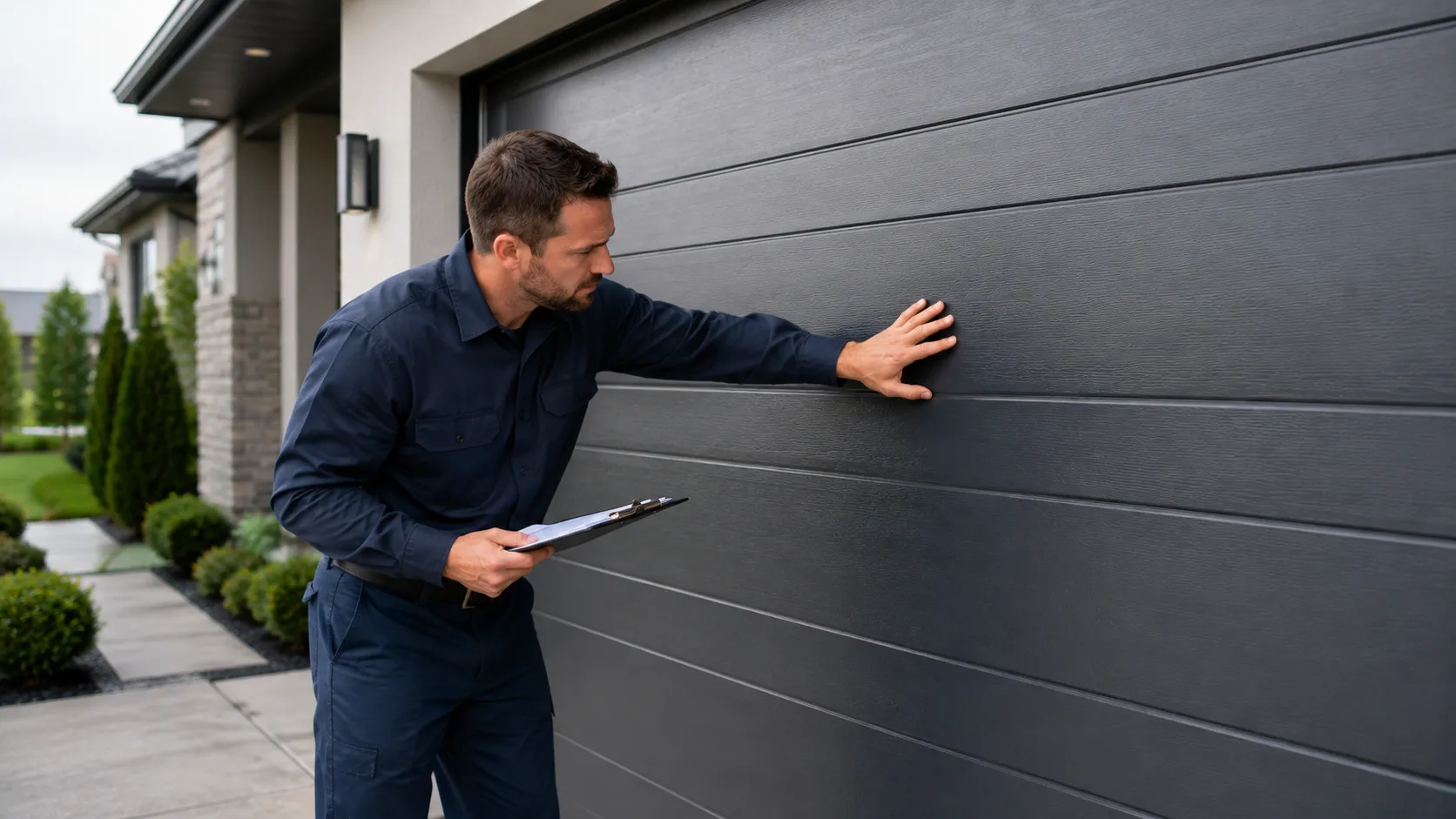
LaGrange sits in a mild climate band with occasional freezes, not the deep-freeze stress that cracks springs outright in colder regions. That's actually part of the problem.
A spring here rarely gets the kind of steady cold that would make an owner think about maintenance every fall. Instead it sits through years of mild weather, and then one overnight freeze tightens the metal just enough that a spring already near its cycle limit gives out.
That one cold morning a year is often the day we get the most calls, and it's rarely bad luck. It's a spring that's been near failure for a while, meeting the one day it gets stressed instead of babied.
Houses in the older sections of town, where the median build year is 1973, are the ones we see this happen to most. Newer doors on newer torsion setups tend to ride out the same cold morning without a problem, because the hardware hasn't put in the years yet.
The Common Mistake
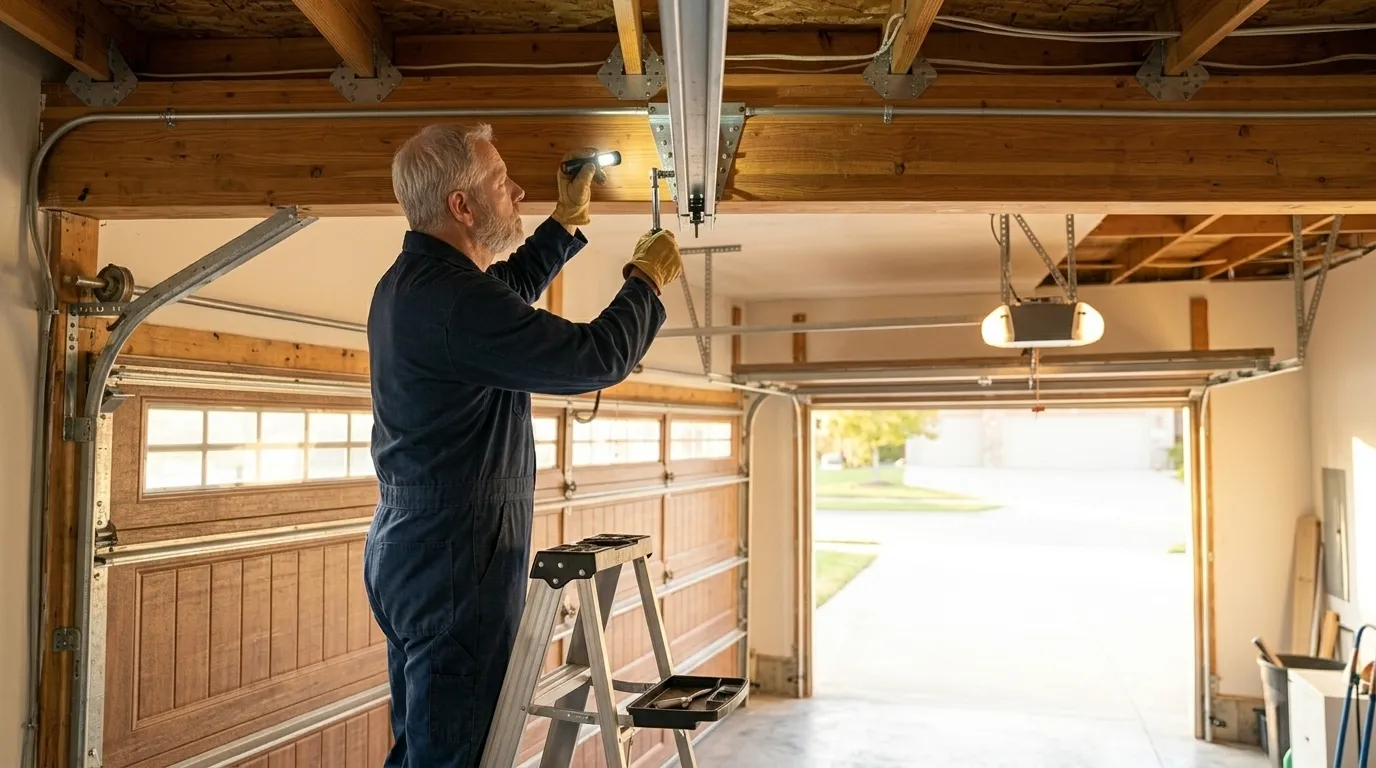
The mistake we see most is treating a slow, noisy door as a lubrication problem when it's actually a spring problem. Oil on a squeaky roller doesn't fix a spring that's lost tension, and on an older door it can mask the noise that would've told you the spring was getting close to breaking. By the time it snaps, there's no warning left to catch.
The other mistake, especially with median household income in the service area sitting at $53,914, is assuming a broken spring means a new door. Most of the time it doesn't.
Repair costs less than replacement, and a well-maintained door from the 70s or 80s can keep running fine on a new spring and a bearing check. Where we draw the line is parts availability: some original hardware from that era is discontinued, and if we can't source a matching part, we'll tell you that instead of forcing a fit that won't hold.
How We Can Help
Garage Door Repair
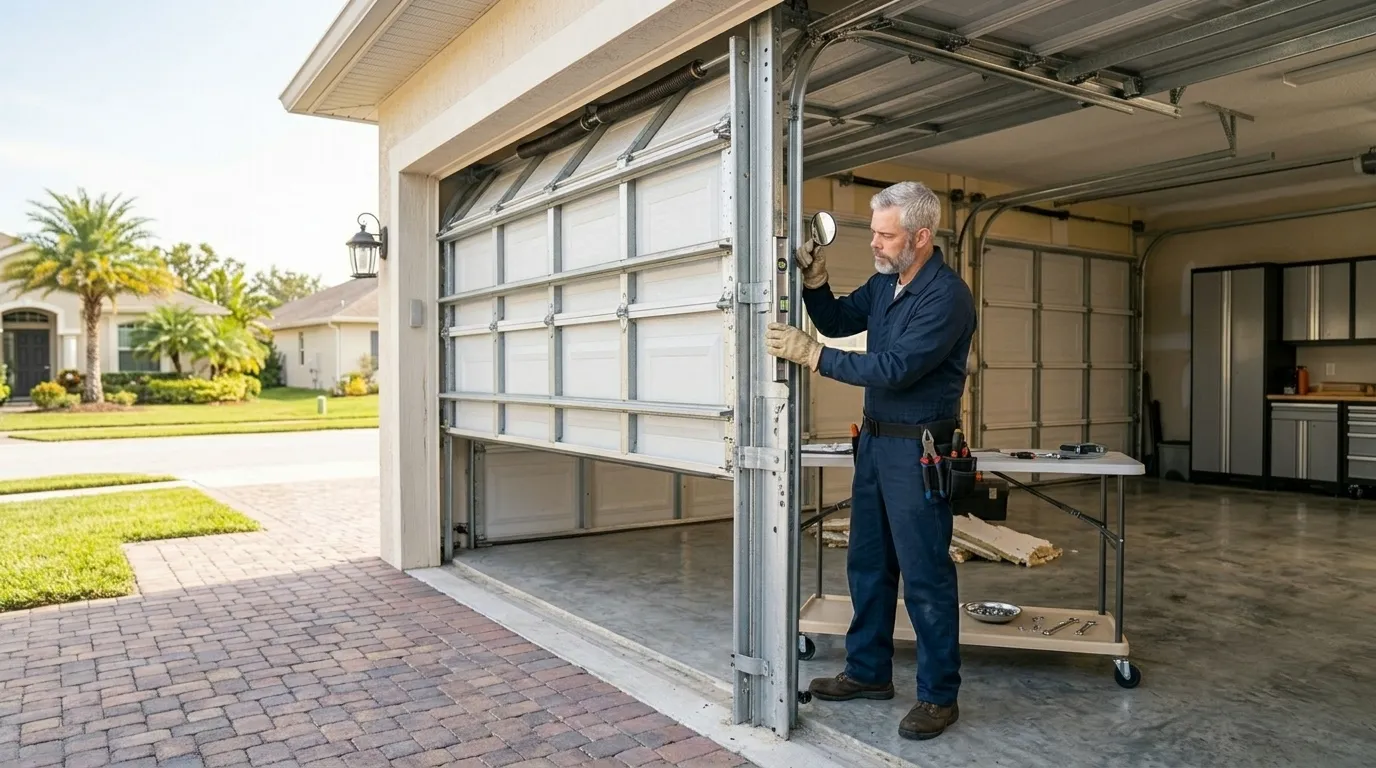
Springs, cables, tracks, rollers, and openers fixed by a tech who explains the problem before touching anything.
Learn more →
Garage Door Installation
New sectional doors sized and installed for the housing stock actually built in this area.
Learn more →
Garage Door Service
Tune-ups, lubrication, and safety checks that catch a small problem before it becomes a service call.
Learn more →Frequently Asked Questions
Why did my spring break on such a mild morning?
It probably wasn't the weather that broke it, just the weather that finished it. Springs wear out by cycle count, not by cold. A spring near the end of its life in a house built decades ago just needed one cool morning to tip it over.
Is it worth replacing the whole door or just the spring?
Usually just the spring. A spring failure doesn't mean the door itself is bad, and most older doors around here hold up fine once the spring and hardware are checked and sound. Full replacement only makes sense if the panels or track are also failing.
Can I find parts for an older garage door in this area?
Sometimes, sometimes not. A lot of the housing stock here dates to the late 60s through the 90s, and some of that original hardware is discontinued. We'll check before we quote, and we're upfront if a part means a longer wait or a different fix.
Have a Door That Needs a Second Opinion?
Call and describe what it is doing - we will tell you what it likely is.