
LaGrange Garage Door Guide
What Actually Happens When a Tech Shows Up in LaGrange
A LaGrange homeowner's guide to what a real garage door service call checks, given the town's 1960s-90s housing stock and mild-with-freeze climate.
- Licensed & Insured
- Same-Area Service Calls
- Upfront Pricing
The Problem
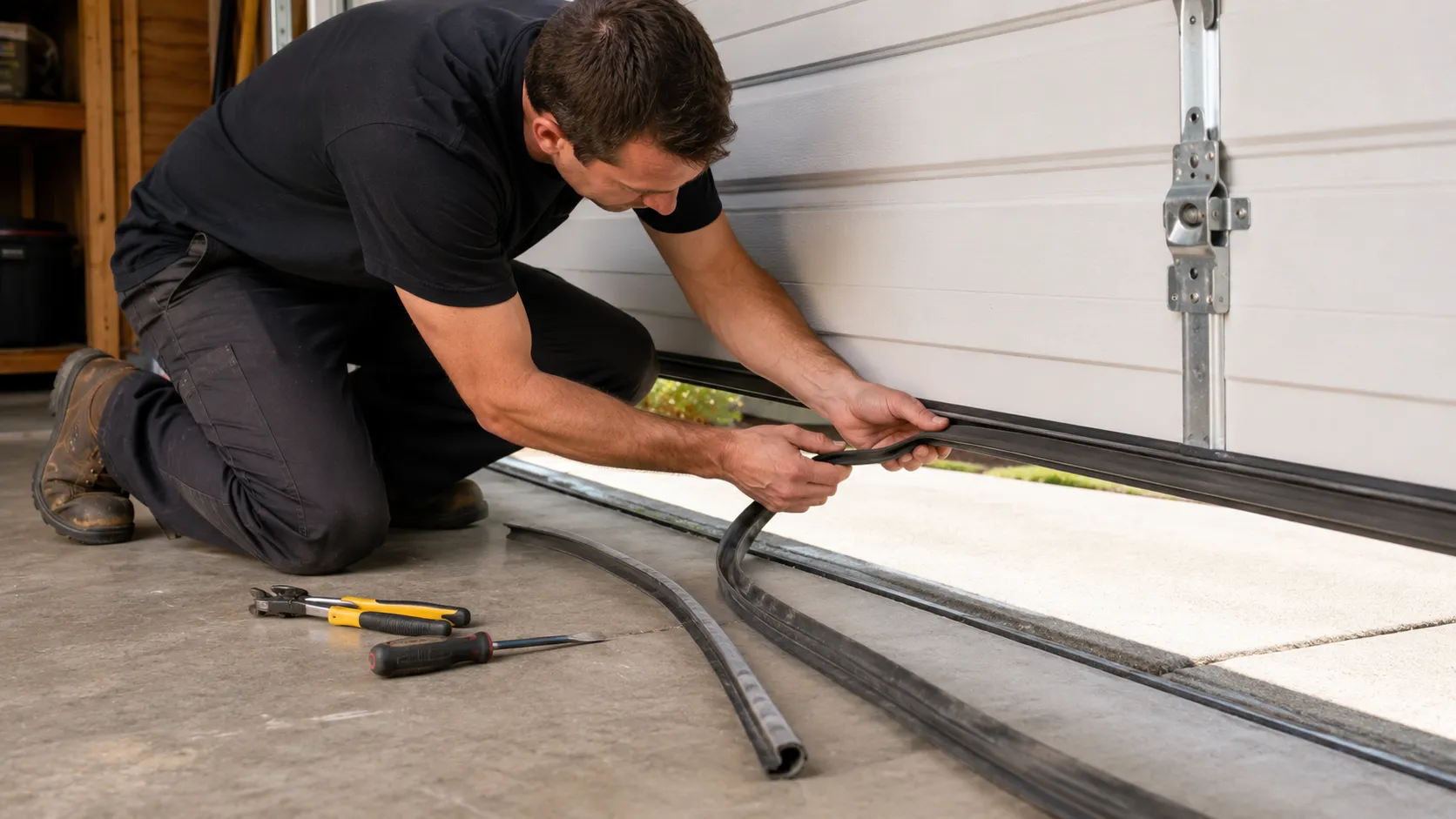
Most of the housing stock around LaGrange went up between 1967 and 2000, with the median build year sitting at 1973. That matters more than people think. A door and opener installed when a house was built has usually been through two or three motor replacements by now, but the track, the hinges, and often the springs are original or close to it.
When a spring finally lets go on a door that old, it's not an isolated failure - the cables, rollers, and hinges have been absorbing the same decades of wear. " It's checking whether the rest of the hardware is still doing its job or just hasn't quit yet. Across the six older sections of town where this stock is concentrated, we see the same pattern often enough that we check for it every time: a spring complaint that turns out to be a symptom of everything around it wearing down together.
When It Stops Being a DIY Job
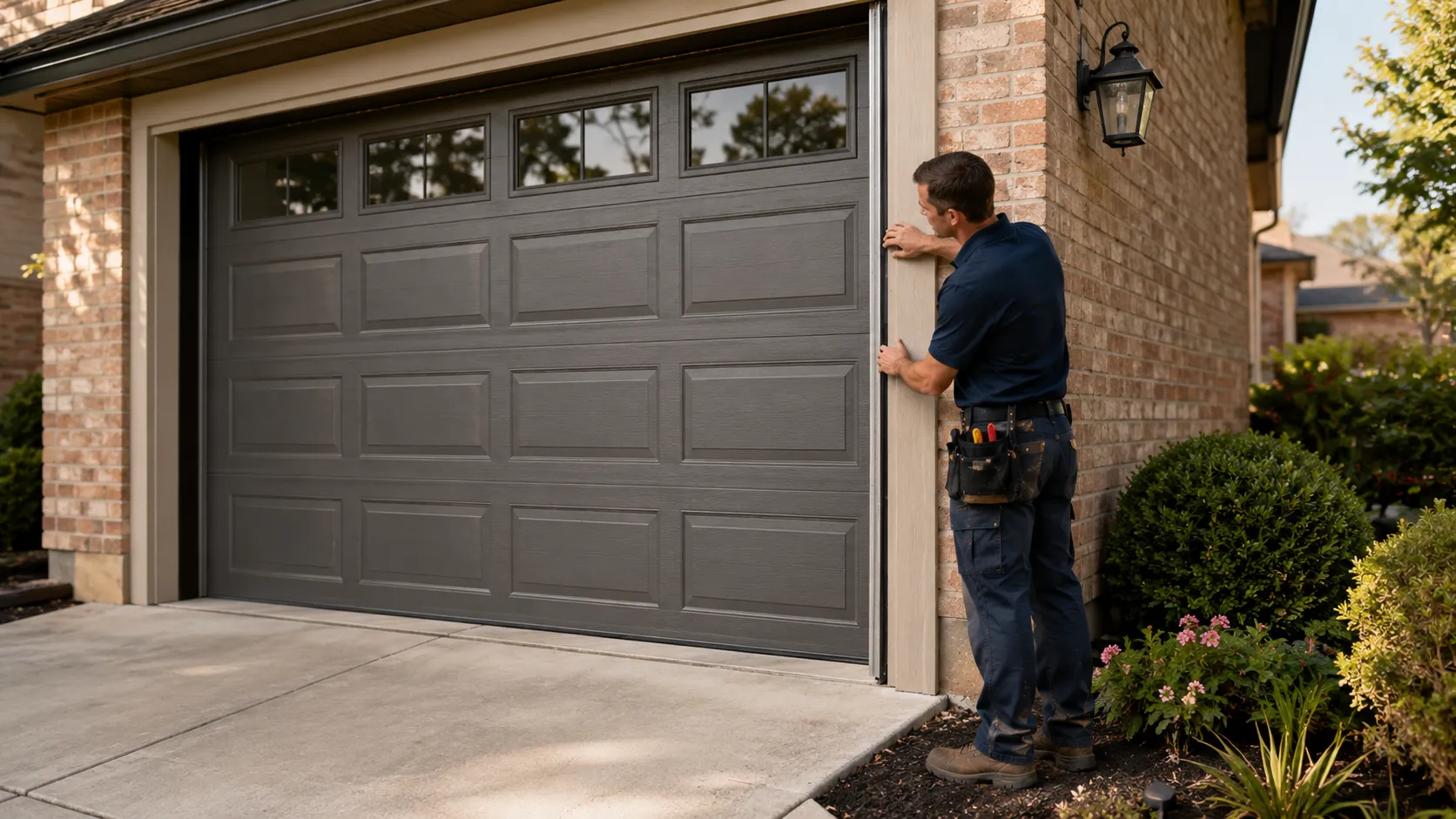
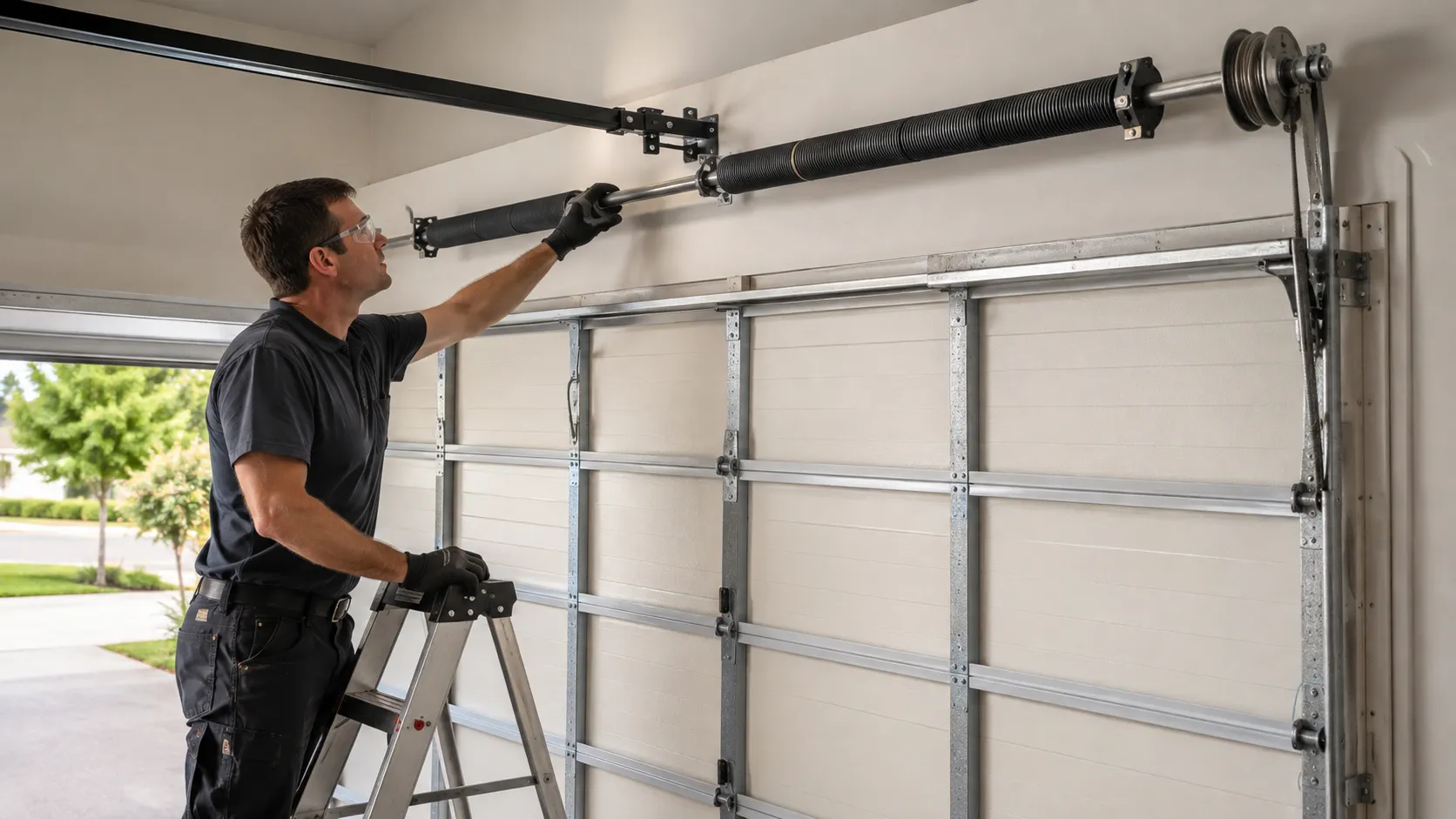
A stuck door or a noisy roller is fair game for a homeowner with a ladder and some patience. A torsion spring under tension is not. On the double-door garages common in LaGrange's older sections, the spring is wound tight enough to do real damage if it lets go while someone's hands are on it.
That's the line: anything involving the spring, the cable, or the drum gets a call, not a YouTube video. We also draw the line at openers - if the motor's original to a house built in the 1970s, it's earned its retirement, and swapping it isn't a weekend project once you factor in the wiring and the safety sensors that didn't exist on the old unit. If a door won't budge and the springs look intact, that's usually a track or roller problem, and that one's often within reach for someone comfortable with basic tools.
How Local Conditions Play In
LaGrange sits in a mild climate with occasional freezes, not the deep-freeze cycles that crack concrete slabs further north. That changes what a tech actually looks for. We're not checking for ice-jammed tracks the way a shop in a colder state would.
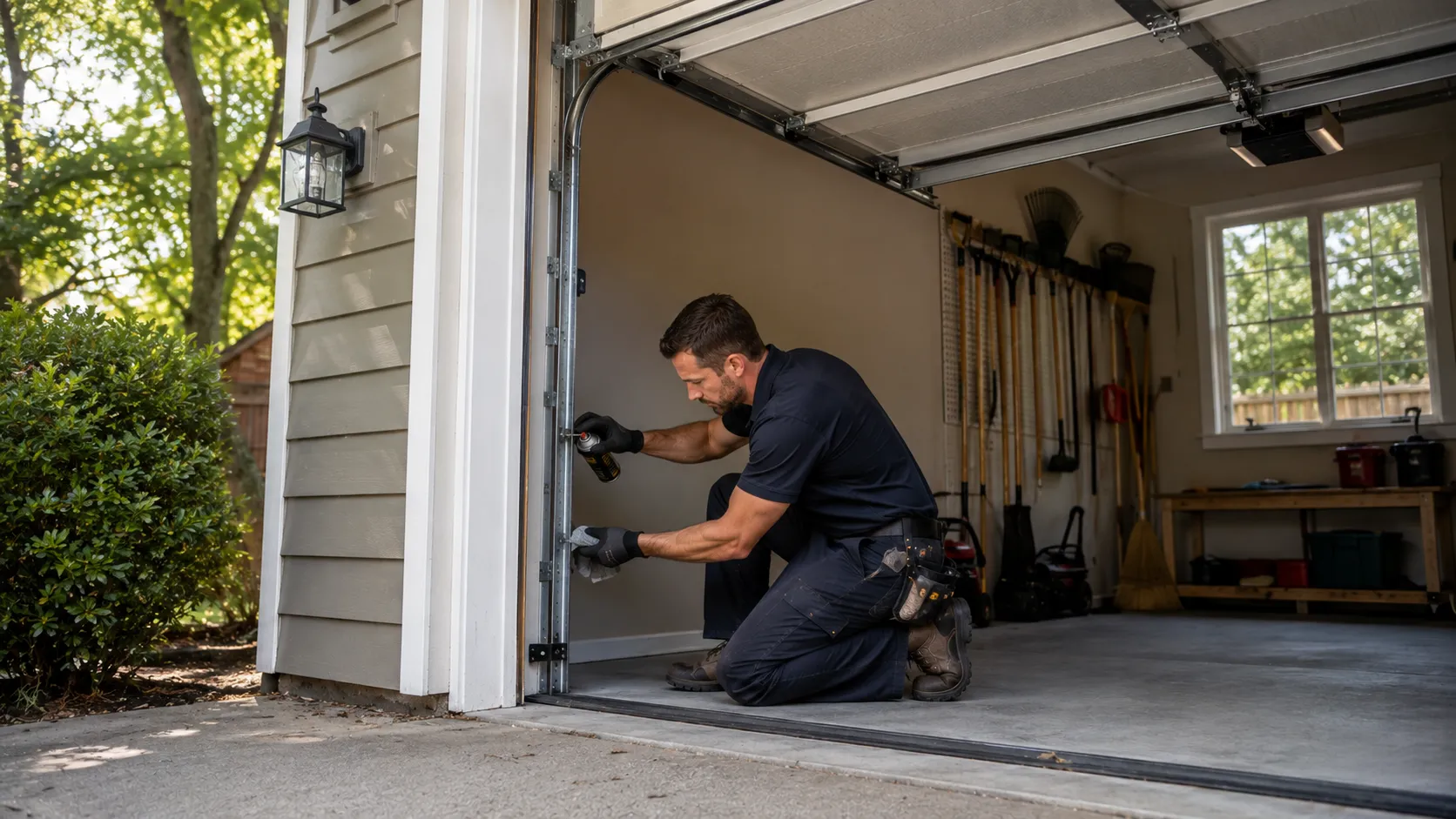
We're checking for the slower kind of wear - lubricant that's gummed up over a warm, humid summer, and springs that lose a little tension every time a rare cold snap tightens the metal and a warm afternoon loosens it again. On a house built in the 1970s, that cycle has repeated for fifty years. It's not dramatic, but it adds up, and it's part of why a routine service call on an older LaGrange house often turns up a spring closer to failure than the homeowner expected, even with no obvious symptoms yet.
The Common Mistake
The mistake we see most in LaGrange is calling about the symptom instead of the age. Someone hears a grinding noise and assumes it's the opener, but on a house from the 1960s or 70s the grinding is just as likely to be a roller that's outlived its bearing or a track that's shifted slightly out of alignment after decades of the door swinging through it. Fixing the opener and leaving the track alone gets you a quiet motor pulling against a door that still binds.
With 2,735 owner-occupied houses in the service area, most built before 2000, this is less an edge case than the normal job. The honest limit here: if a door's original hardware is failing across the board, patching one part at a time usually costs more over a year than replacing the worn components together in one visit.
How We Can Help
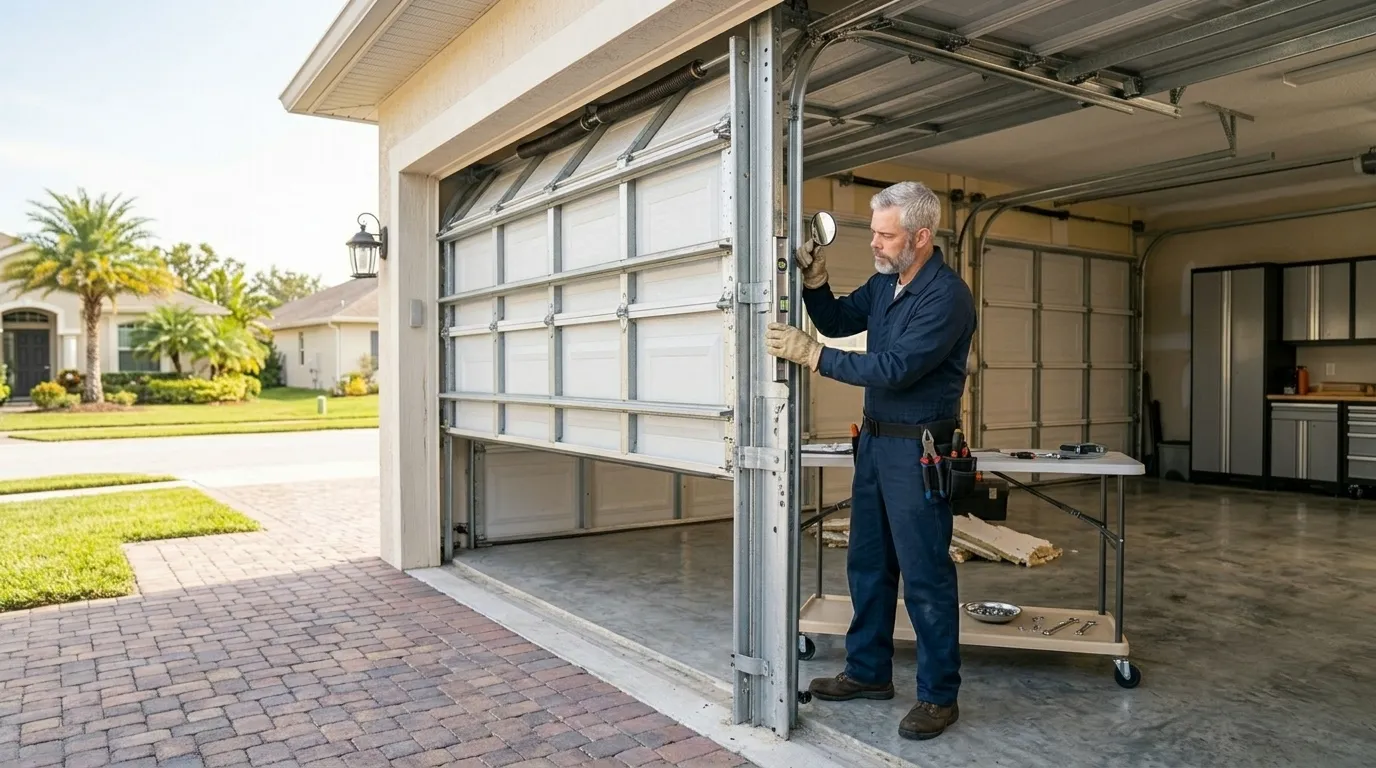
Garage Door Repair
Springs, cables, tracks, rollers, and openers fixed by a tech who explains the problem before touching anything.
Learn more →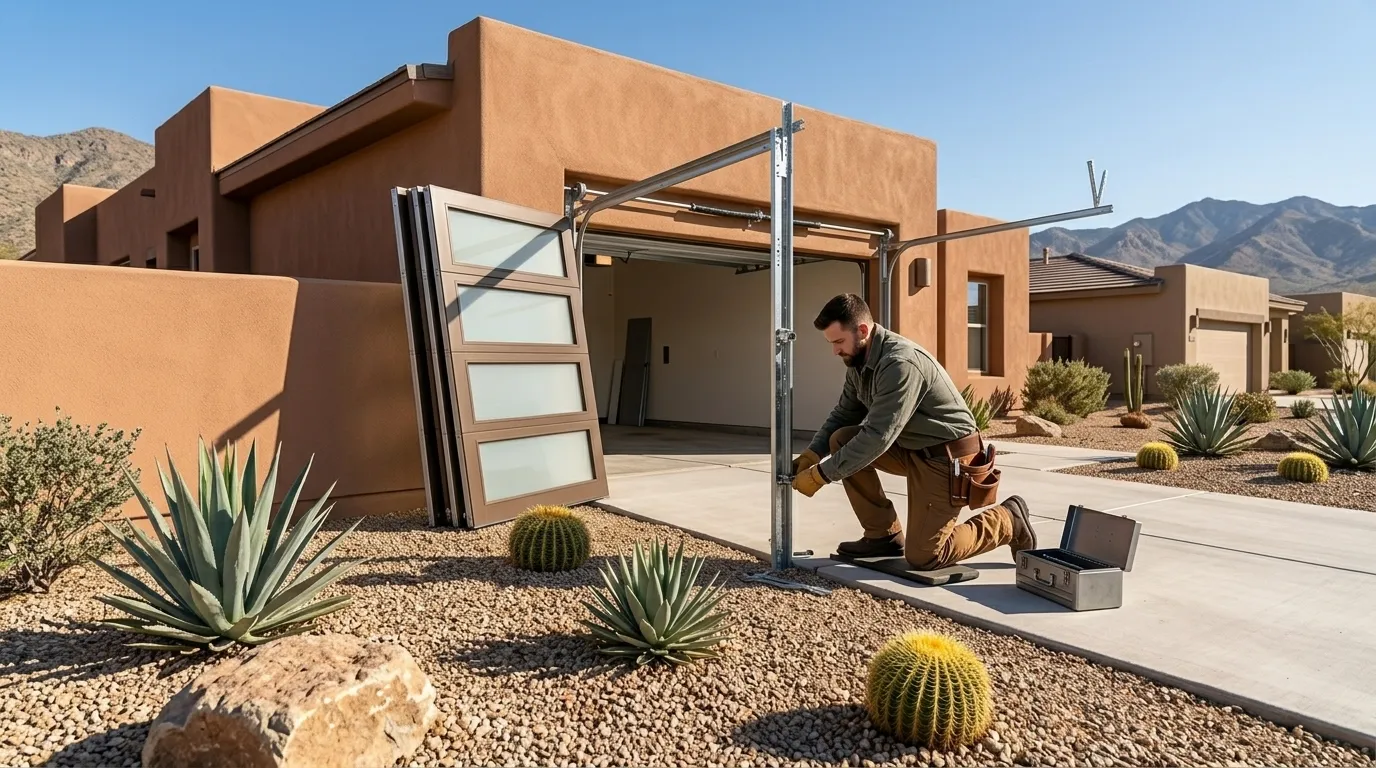
Garage Door Installation
New sectional doors sized and installed for the housing stock actually built in this area.
Learn more →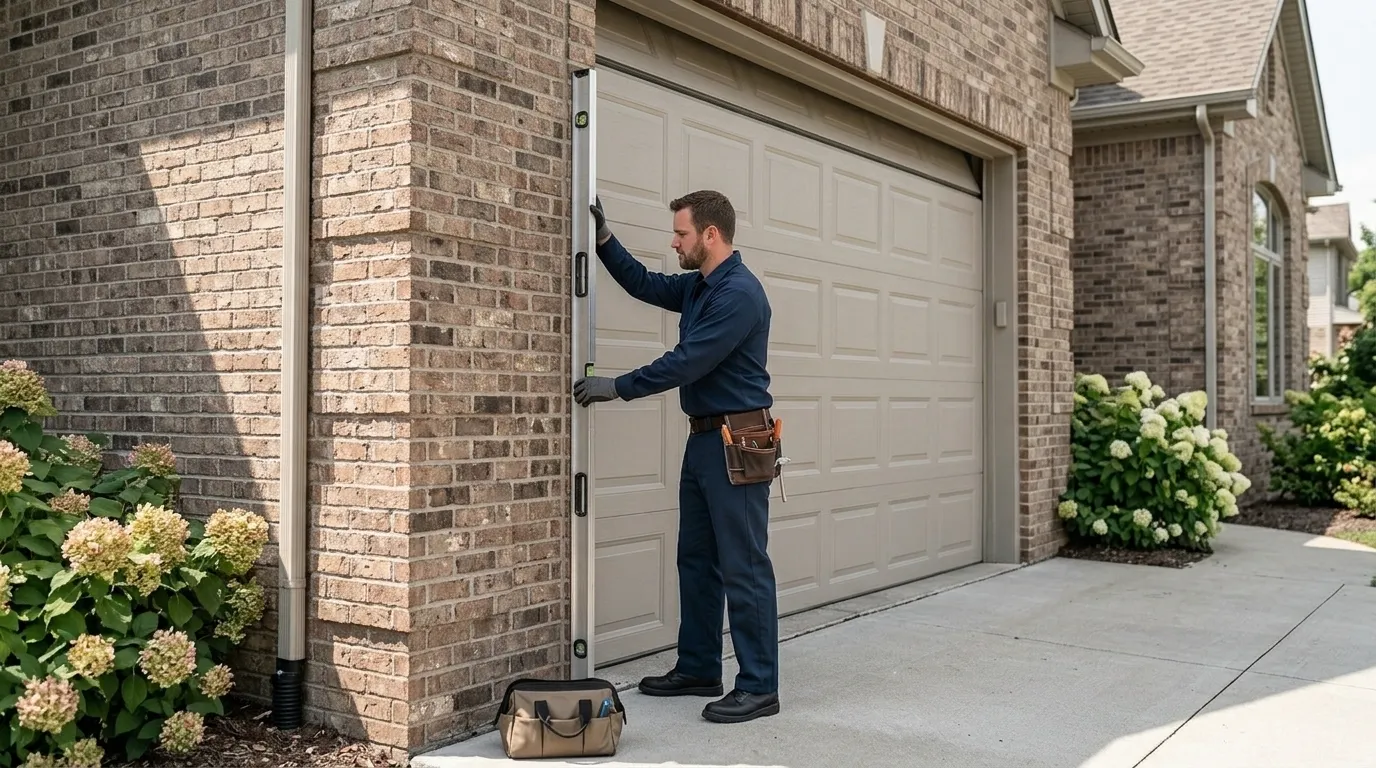
Garage Door Service
Tune-ups, lubrication, and safety checks that catch a small problem before it becomes a service call.
Learn more →Frequently Asked Questions
How do I know if my spring is original to the house?
If your LaGrange house was built anywhere near the median year of 1973 and nobody's mentioned a spring replacement, assume it's original or close to it. Original torsion springs on houses this age are well past their expected cycle count, even if the door still opens fine. A tech can check the coil wind and wear pattern in a few minutes during a normal call.
Does LaGrange's climate mean I need special hardware?
Not special hardware, but it changes what wears out first. The mild-with-occasional-freeze pattern here means less ice-jam risk than colder regions, but repeated warm-to-cold cycling still fatigues springs and gums up lubricant over the years. It's a slower failure pattern, not a dramatic one.
Is it worth fixing an old door or should I replace it?
Depends on what's failing. If it's one part - a spring, a roller - repair makes sense. If the track, hinges, and springs are all original and all worn, which is common on 1960s-70s stock, replacing the door often costs less over time than fixing each part as it fails.
Have a Door That Needs a Second Opinion?
Call and describe what it is doing - we will tell you what it likely is.