
LaGrange Garage Door Guide
What LaGrange's 1960s-70s Homes Mean for Your Garage Door
LaGrange's housing stock dates mostly to the 1960s-70s, meaning original garage door hardware paired with mild-winter, occasional-freeze conditions here.
- Licensed & Insured
- Same-Area Service Calls
- Upfront Pricing
The Problem
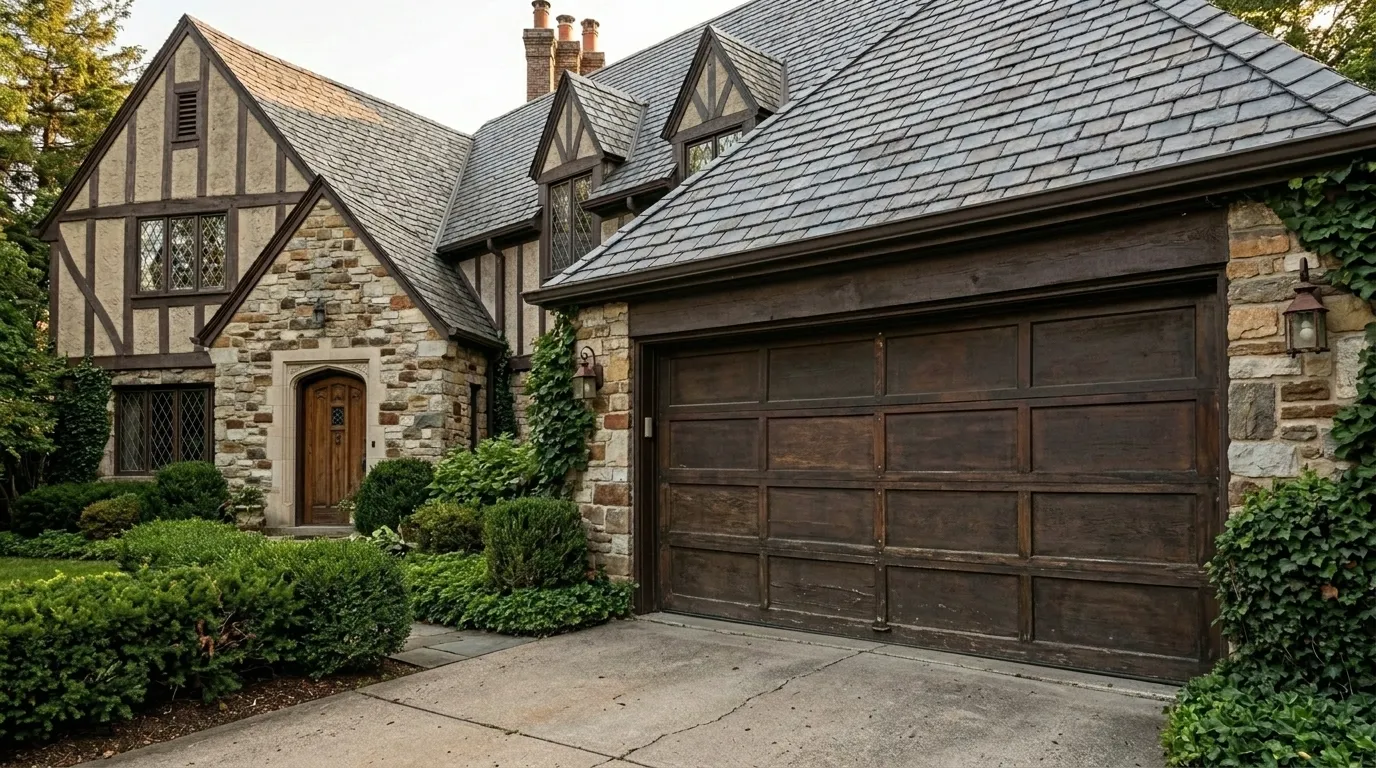
Most houses in LaGrange were built between 1967 and 2000, with a median build year of 1973, and across the six main residential areas we work in that means mostly 1960s and '70s construction. Doors and openers installed when those houses were framed weren't built for the loads we sell today. Steel doors got heavier as insulation requirements changed, but a lot of these garages still carry the same light-gauge track and undersized torsion springs the builder put in forty-plus years ago.
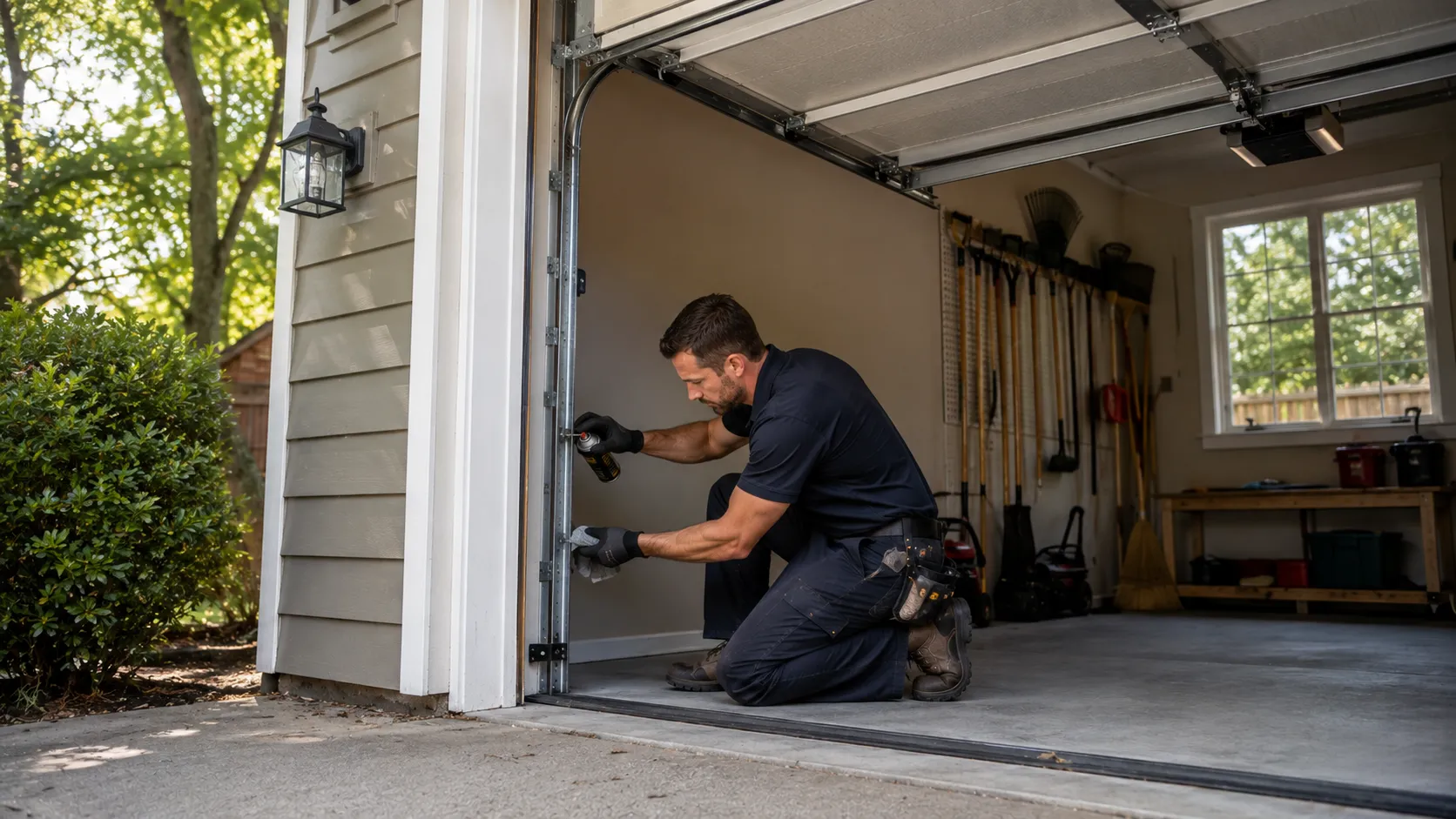
That mismatch is the root of half the service calls we run: a homeowner buys a new opener off the shelf, bolts it to old hardware, and wonders why the door groans, reverses, or won't hold position. The other half is straightforward fatigue - springs, cables, and rollers sized for a house built in 1973 have had five decades to wear out, freeze, and rust, even in a climate as mild as ours. We don't treat every job in this town the same because the housing stock isn't the same age or spec as what you'd find in a newer subdivision.
A door that looks fine from the driveway can still be running on parts that were never rated for the door now hanging on them.
When It Stops Being a DIY Job
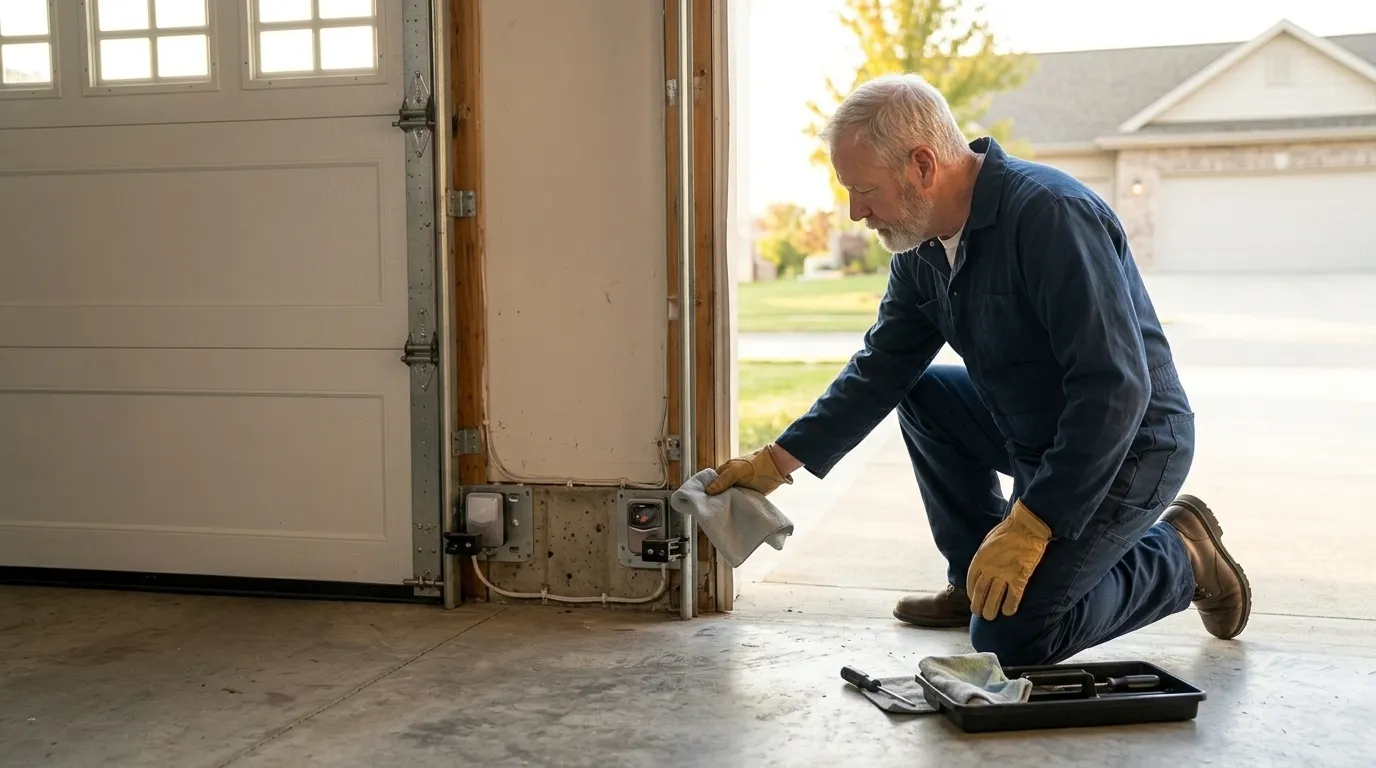
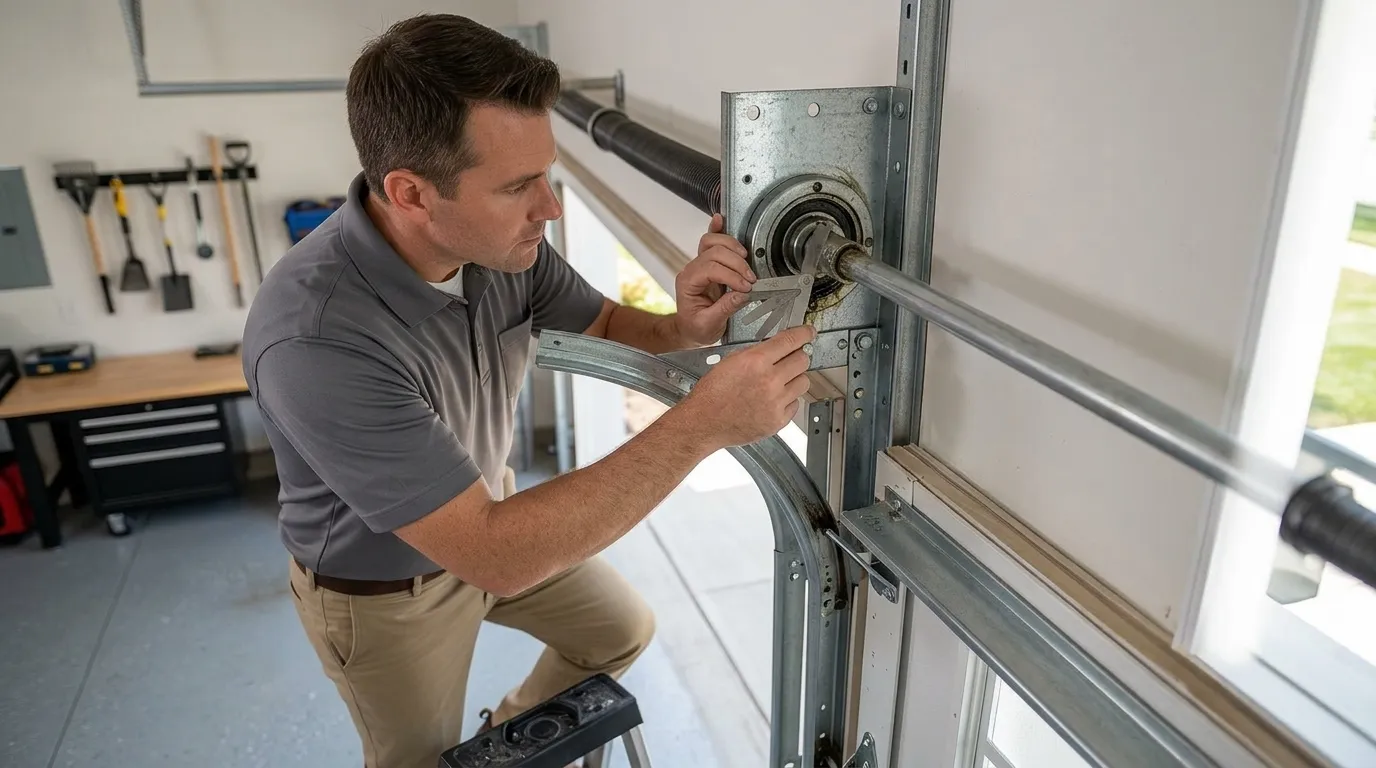
A torsion spring under tension can put someone in the hospital, and on a lot of these older LaGrange garages the springs were sized for a lighter door than what's on the track now - which means more stored force than the sticker on the spring suggests. If your door is original to a house built anywhere near that 1973 median, don't wind or unwind that spring yourself. Cables fraying, a bent track, or a door that's off one roller are also past the point of a YouTube fix, especially on the older side-mount torsion setups still common in this housing stock.
Here's the honest limit: if the track or spring size is obsolete for what's currently installed, we sometimes have to order hardware rather than pull it off a truck shelf, and that can add a day or two to the job. We'd rather tell you that up front than promise same-day on a part we don't have sitting in the truck. DIY is fine for a noisy roller or a loose bracket.
It stops being fine the moment tension, cable, or a bent panel is involved - those are the calls where a five-minute mistake becomes a trip to the ER, not just a redo.
How Local Conditions Play In
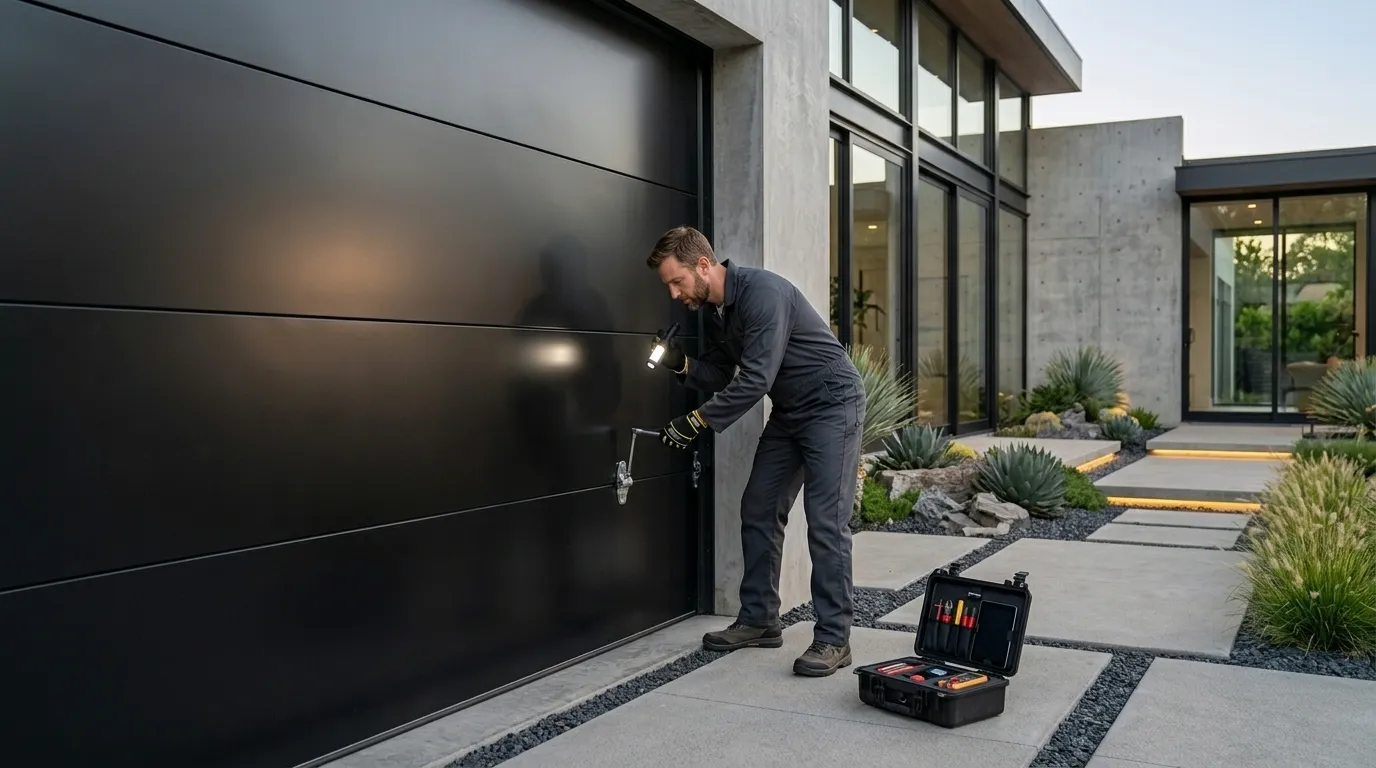
LaGrange sits in a mild climate band that still sees occasional freezes, and that combination is harder on garage door hardware than either steady cold or steady warmth would be. Steel expands and contracts every time the temperature swings through a freeze-thaw cycle, and on hardware that's already forty-plus years old - which describes a lot of what's out there given the 1973 median build year - that repeated movement works bolts loose, cracks brittle nylon rollers, and lets moisture into bearings that then rust solid on the next cold morning. It's not a dramatic climate, but it's an inconsistent one, and inconsistent is worse for old metal than predictable is.
You won't get the ice-dam or deep-freeze failures a door up north might see, but you will get the slow kind: a spring that's lost tension because it's cycled through decades of these small swings, or a track that's shifted a fraction of an inch and now binds every few degrees the temperature drops. We size replacement hardware for that pattern, not for a worst-case cold snap that doesn't happen here.
The Common Mistake
The mistake we see most in this town is treating a garage door opener as a universal part. A big-box opener kit is built to bolt onto standard modern track and a door built to current weight specs. Bolt that same kit onto the original hardware from a house built in the 1960s or '70s and the opener has to fight geometry and spring tension it wasn't designed for - which is why so many of these installs fail early or strip the gears within a year.
Across the roughly 2,735 owner-occupied houses in our service area, we run into this same pattern often enough that it's not really a mistake specific to any one street, it's a mismatch built into the age of the housing. The fix usually isn't a better opener. It's matching spring weight and track to the door that's actually there, which sometimes means we replace parts a homeowner assumed were fine because the opener, not the spring, was the thing making noise.
Skipping that step is the difference between a repair that lasts and one you're calling us back about in eight months.
How We Can Help
Garage Door Repair
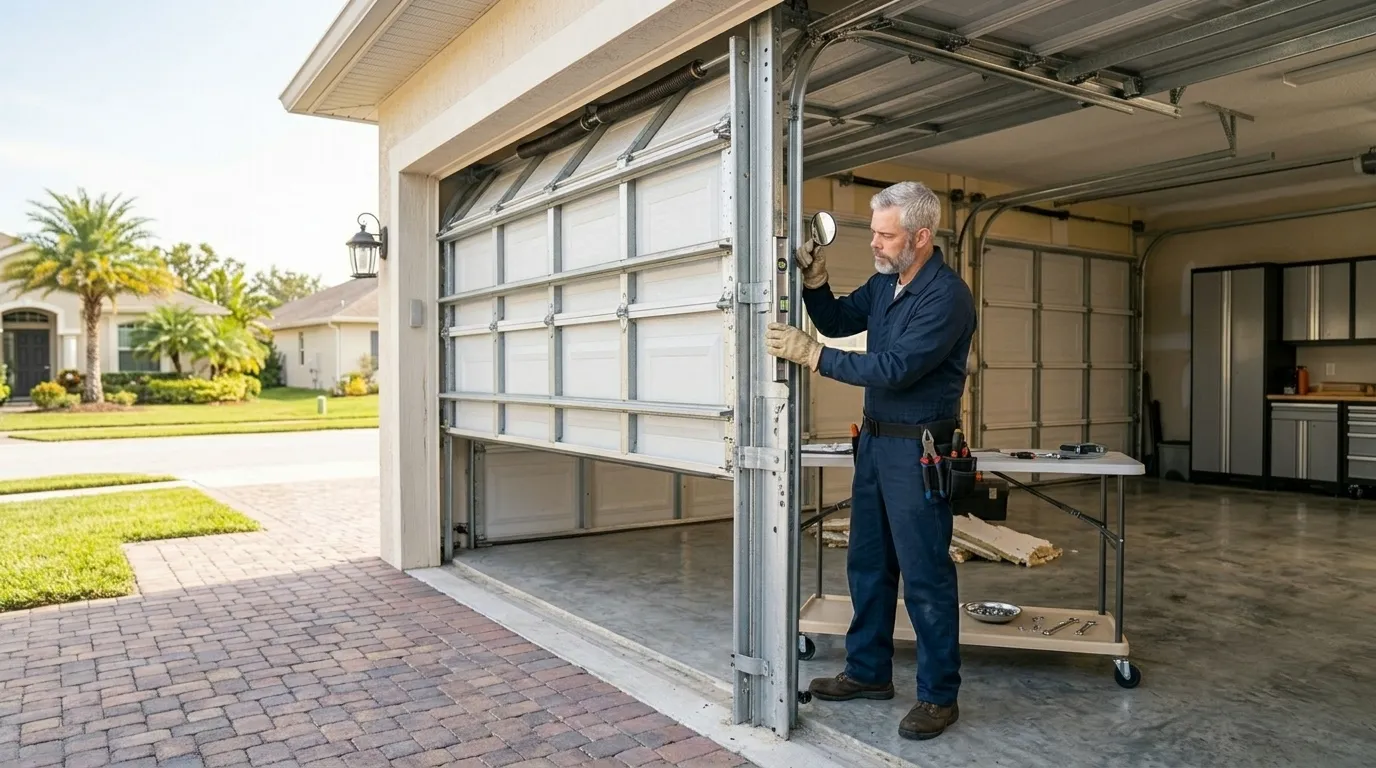
Springs, cables, tracks, rollers, and openers fixed by a tech who explains the problem before touching anything.
Learn more →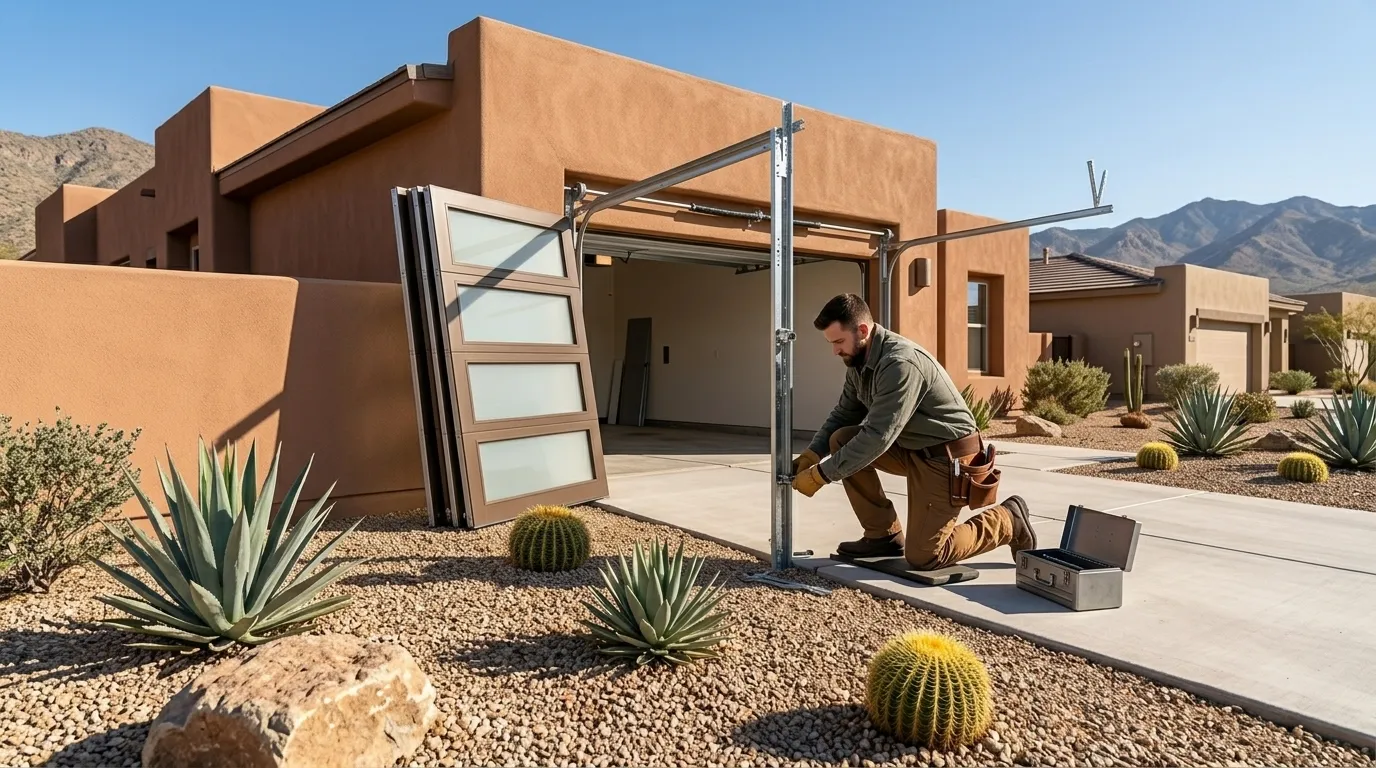
Garage Door Installation
New sectional doors sized and installed for the housing stock actually built in this area.
Learn more →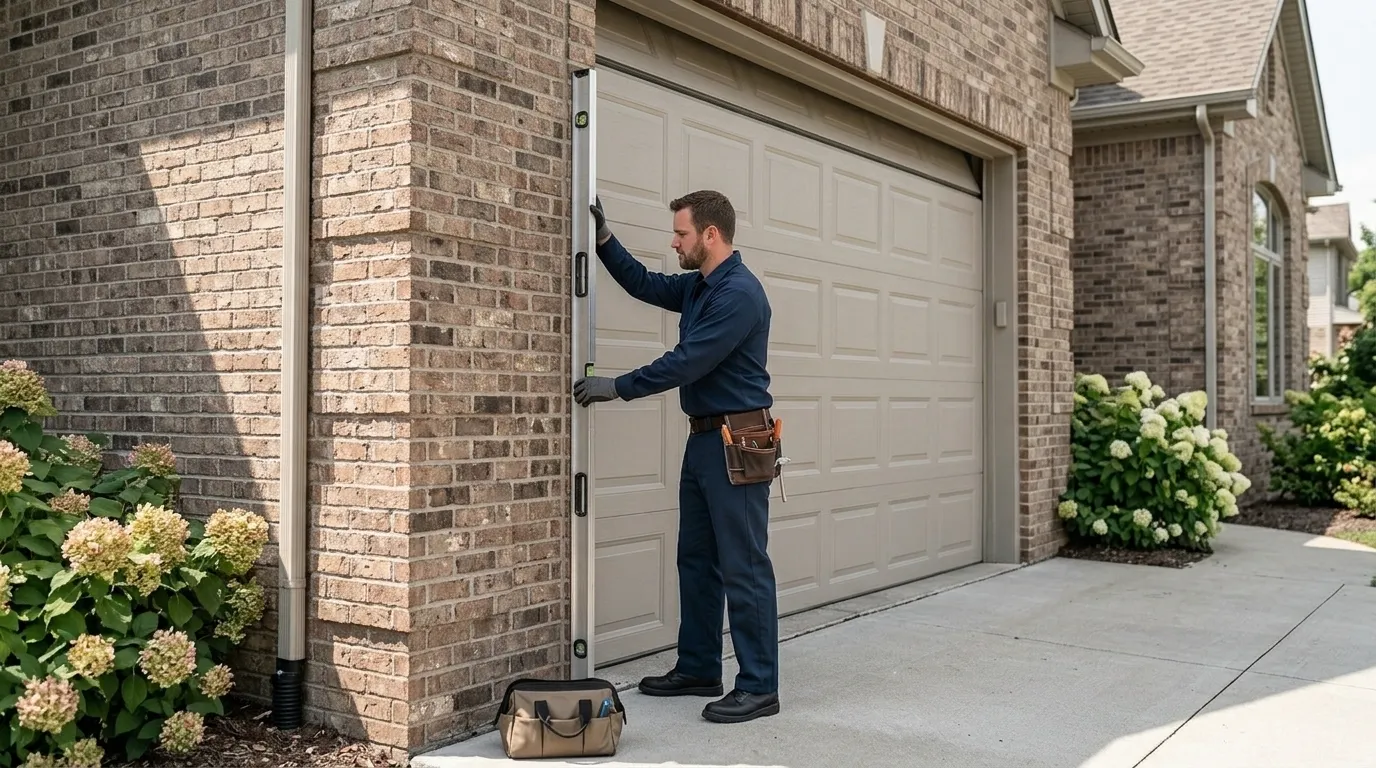
Garage Door Service
Tune-ups, lubrication, and safety checks that catch a small problem before it becomes a service call.
Learn more →Frequently Asked Questions
Why does a brand new opener keep failing on my old garage door?
Most likely the opener is fighting hardware sized decades ago. A lot of LaGrange houses date to the 1960s-70s, and the original track and spring weight often don't match what a modern big-box opener kit expects, which strains the gears and shortens the opener's life.
Is my garage door spring original to the house?
It's possible. With a median build year of 1973 across our service area, plenty of doors are still running on the springs and track installed when the house was framed. Springs that old have usually lost tension even if they haven't broken yet.
Does LaGrange's climate actually affect garage doors much?
It's a mild climate with occasional freezes rather than deep winters, but that back-and-forth is tough on old steel. Bolts loosen, rollers crack, and bearings rust over years of small freeze-thaw cycles, especially on hardware that's already decades old.
When does it make more sense to replace than repair?
If the track or spring size is obsolete for the door currently installed, sourcing exact replacement parts can take longer than a standard repair. At that point we'll tell you plainly whether it's worth ordering old-spec hardware or replacing the door and opener as a set.
Have a Door That Needs a Second Opinion?
Call and describe what it is doing - we will tell you what it likely is.