
LaGrange Garage Door Guide
Is Your Garage Door Worth Fixing, or Time to Replace It?
LaGrange homes mostly date to the 1960s and 70s, with a citywide median build year of 1973. Here's how to tell if that older garage door is worth fixing.
- Licensed & Insured
- Same-Area Service Calls
- Upfront Pricing
The Problem
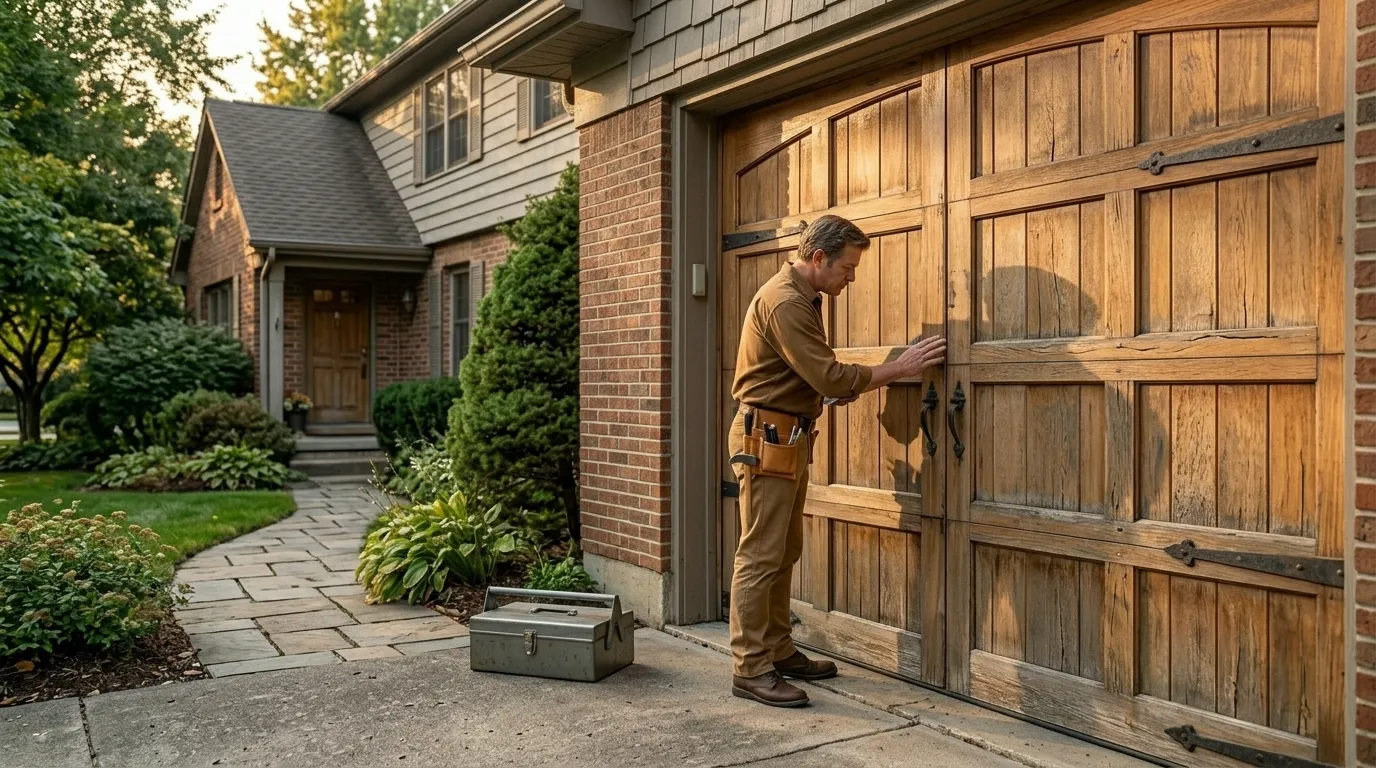
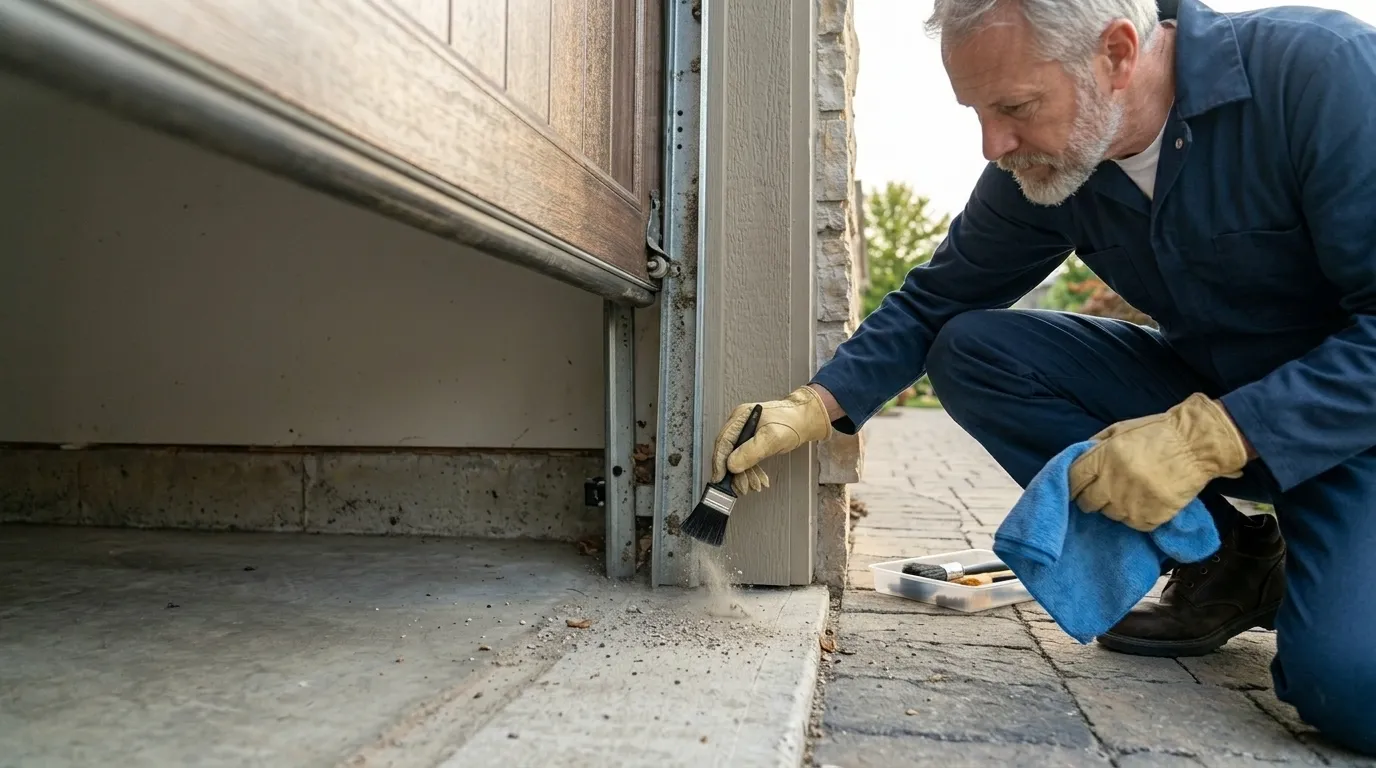
Most of the housing stock in LaGrange went up between 1967 and 2000, and the median build year across town lands right at 1973. That matters more than people think when a door starts acting up. A door and opener installed anywhere near that median are on borrowed time, and a lot of the springs, tracks, and hinges out there are original equipment, sized for a door that's heavier and built differently than what a hardware store sells today.
When a homeowner calls about a door that's suddenly loud, slow, or crooked, the first question isn't "what's broken" - it's "how old is the house." A door from a 1970s build in one of LaGrange's older sections is a different job than a door in a house built in the 1990s. Same symptom, different fix, different cost. The six older pockets of town that carry this 1960s-70s stock share the same basic problem: hardware that was fine for forty years and is now at the point where every part on the door is aging out at roughly the same time, not just the one that finally quit.
When It Stops Being a DIY Job
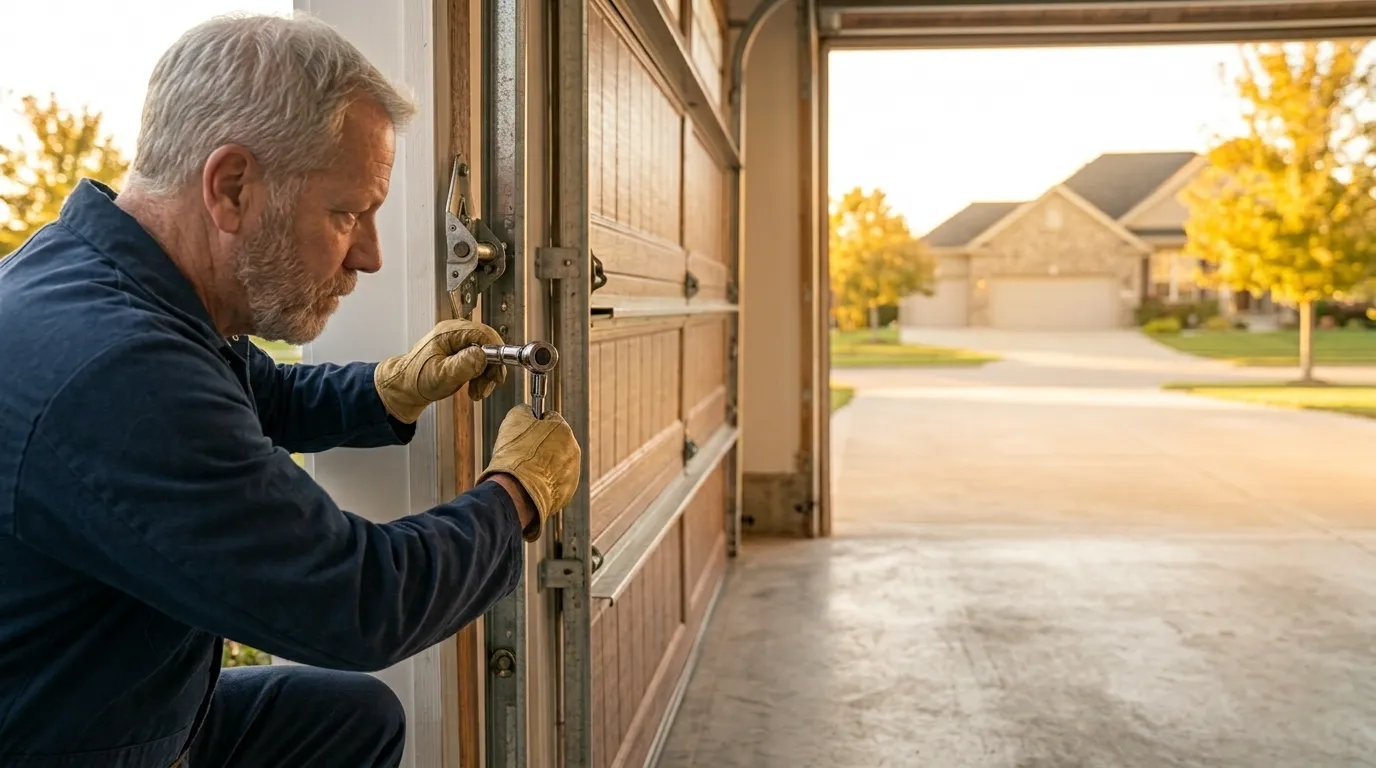
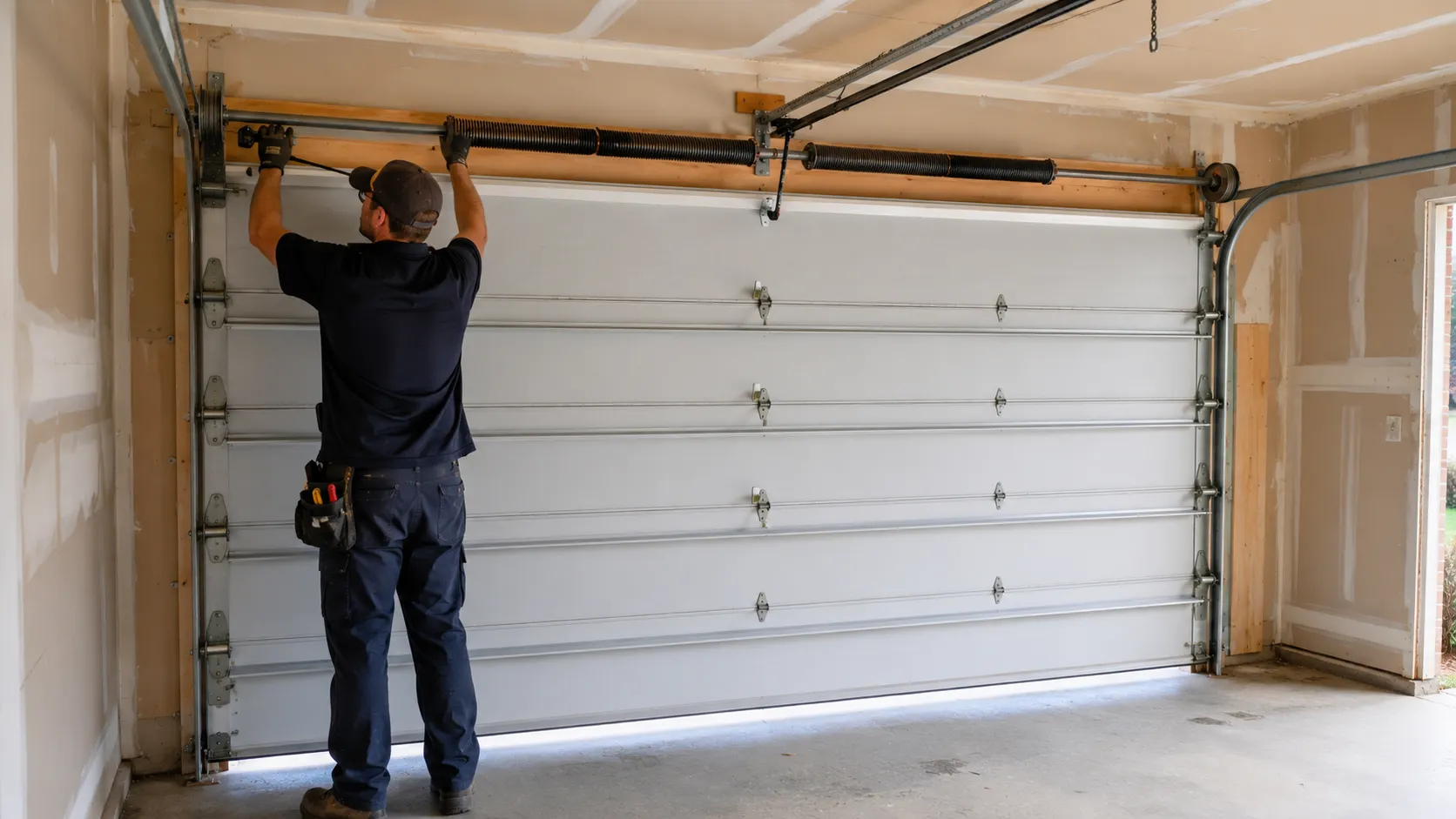
A torsion spring that's lost tension is a repair. A torsion spring that's lost tension on a door that's also got a bent track, a worn bottom bracket, and an opener rail that's sagging in the middle is a different conversation.
On the older doors common in LaGrange - the ones sitting near that 1973 median build year - it's rare to find just one failed part. The hardware ages as a set.
That's the line: if you're replacing a cable or a roller on a door that's otherwise sound, that's a straightforward repair and worth doing. If you're looking at a spring, a cable, a bent panel, and an opener that's been struggling for months, you're not fixing a door anymore - you're patching a system that's due for retirement.
We won't sell a repair on a door where the honest math says replacement costs less over the next five years than a string of one-off fixes. That's not always the answer, but on doors from this era it comes up often enough that it's worth saying plainly.
How Local Conditions Play In
LaGrange sits in a mild band with occasional freeze, not the kind of winter that cracks a panel outright, but enough cold on the odd night to shrink steel and tighten a track that was already running loose. On a door with worn rollers, that's the difference between a smooth close and one that binds halfway down. It's a slow problem, not a dramatic one, which is exactly why it gets ignored until the door won't move at all.
With a median household income of $53,914 across the area, most families aren't treating a garage door like a discretionary purchase - it's transportation, storage, sometimes a workshop. That's part of why the repair-versus-replace call matters here specifically: across the wider service area, 2,735 of the 5,105 households own their homes outright, and those are the people carrying the cost of whichever choice gets made on doors that are, on average, older than the doors in newer subdivisions elsewhere. A door that limps through a mild winter can still fail hard the first cold snap that finds its weak point.
The Common Mistake
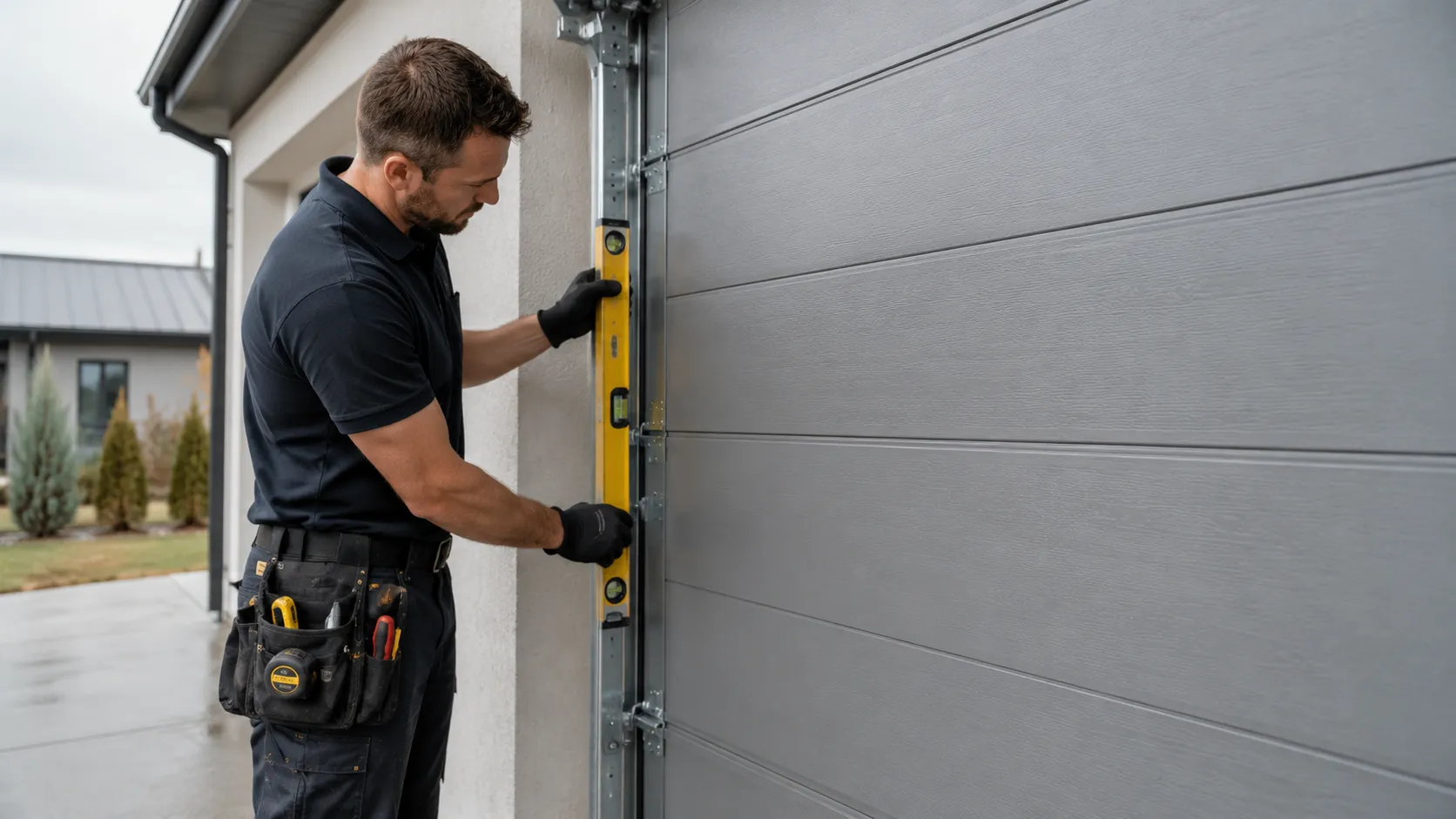
The mistake we see most is going straight to full replacement on a door that only needed a spring and a set of rollers. People hear a loud bang or see a door hanging crooked and assume the whole unit is done. On a lot of the 1960s and 70s doors still in service around LaGrange, the panels themselves are often fine - it's the moving hardware that's given out, and that's a fraction of the cost of a new door and opener.
The opposite mistake happens too: patching a door that's been patched twice already, on a house near that 1973 median age, where the frame and track are simply worn past the point of holding new hardware straight. At some point a repair on an old track is just delaying the same call six months out, at a higher price.
We'll tell you straight which side of that line your door is on. We don't push replacement on a door that's got life left in it, and we won't spend your money chasing a fix on one that doesn't.
How We Can Help
Garage Door Repair
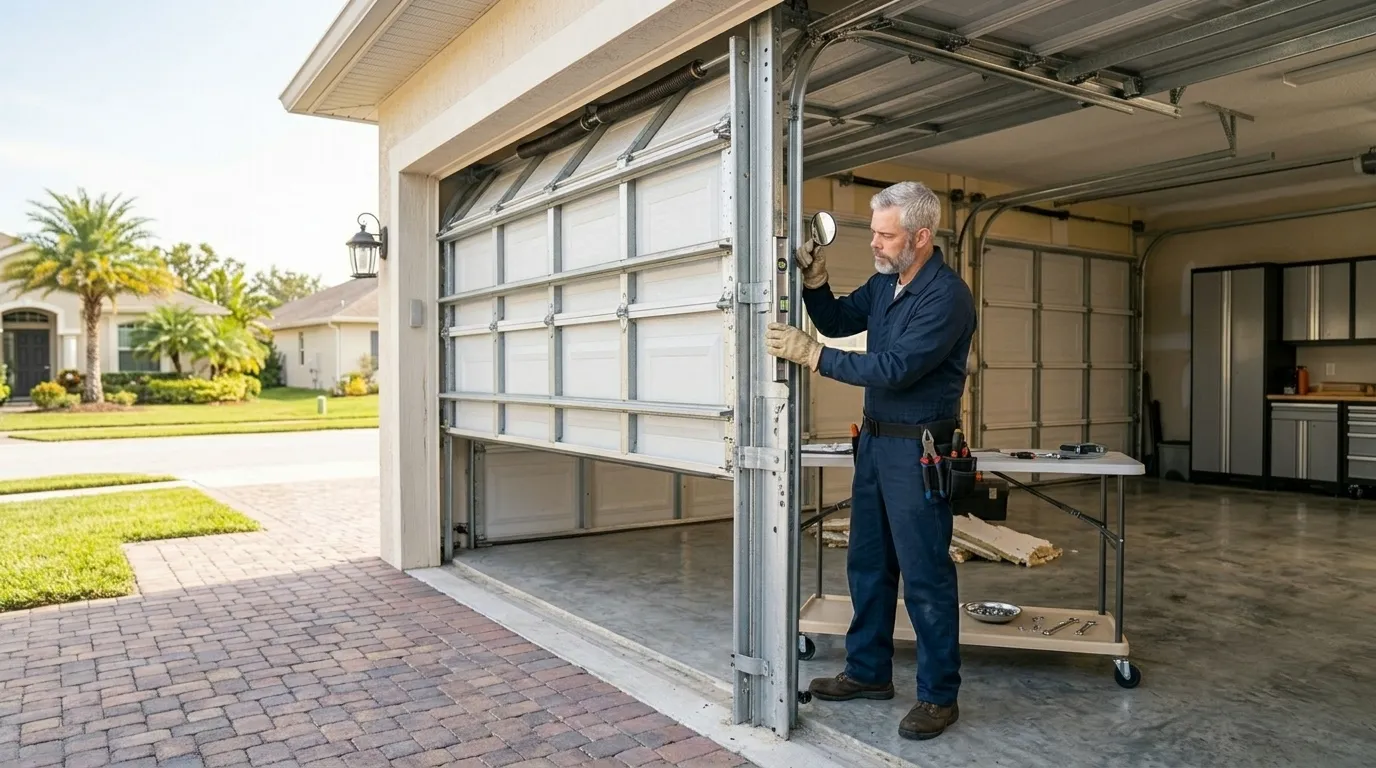
Springs, cables, tracks, rollers, and openers fixed by a tech who explains the problem before touching anything.
Learn more →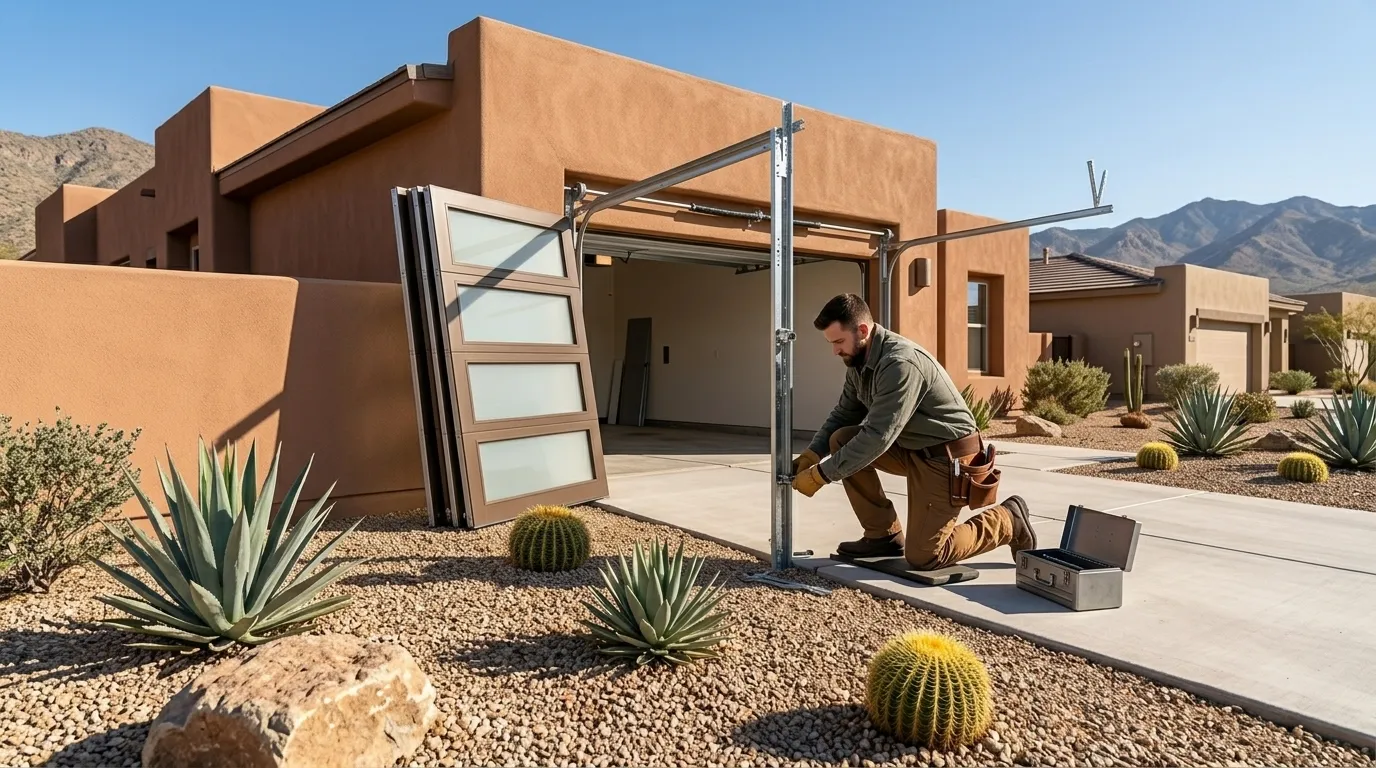
Garage Door Installation
New sectional doors sized and installed for the housing stock actually built in this area.
Learn more →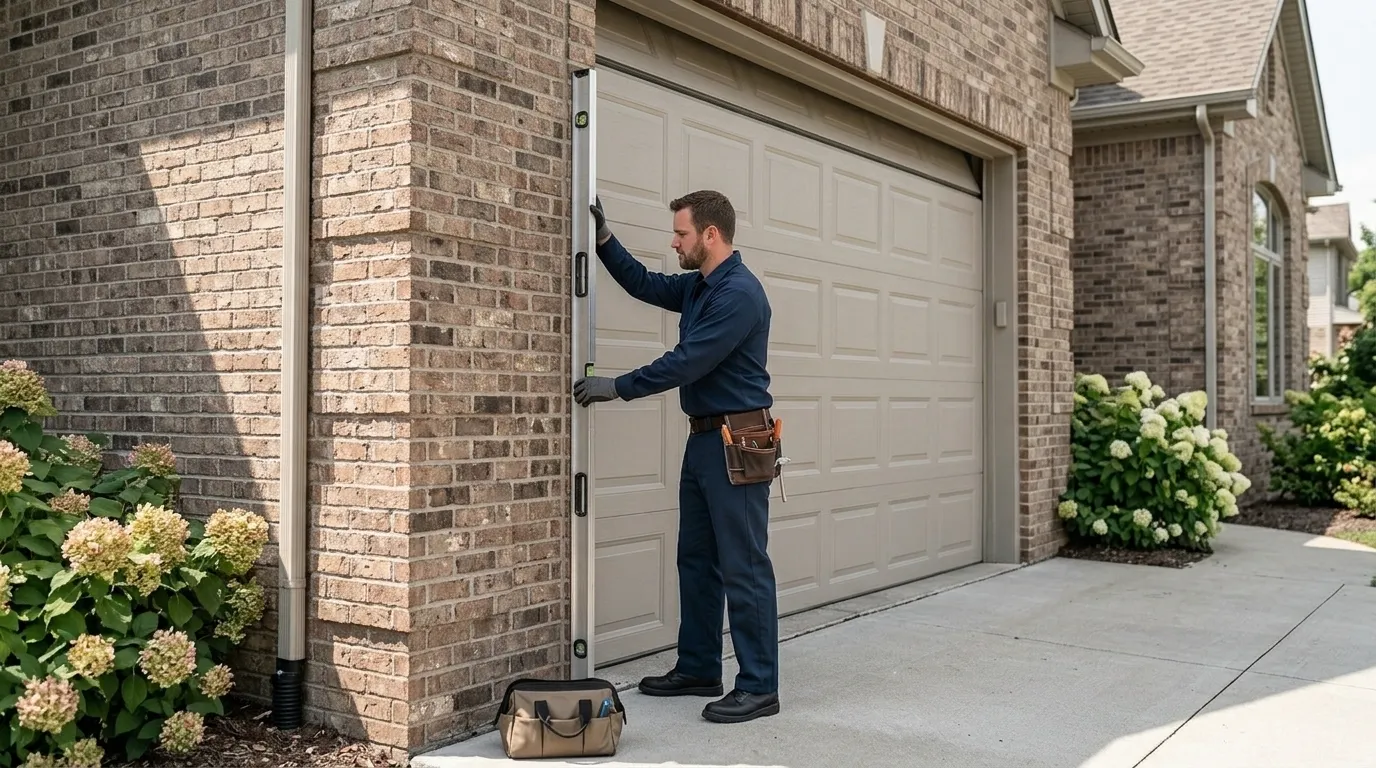
Garage Door Service
Tune-ups, lubrication, and safety checks that catch a small problem before it becomes a service call.
Learn more →Frequently Asked Questions
How do I know if my garage door is too old to repair?
If the house was built anywhere near LaGrange's median year of 1973 and the door has never been replaced, age alone isn't the deciding factor - condition is. A door with one failed part and a sound frame is usually worth fixing. A door with worn hardware across the board, a warped track, and repeat failures is usually past that point.
Does LaGrange's climate wear out garage doors faster?
The area sits in a mild band with occasional freezes, not the kind of extreme cold that cracks panels. But that occasional freeze still shrinks steel enough to bind a track or roller that's already worn, so older doors here tend to show intermittent sticking before they fail outright.
Are original 1970s garage door parts still available?
Some are, some aren't. Original hardware from houses near that 1973 median build year was often sized differently than current stock parts, so a repair sometimes means adapting modern hardware to an older opening rather than finding an exact match.
Have a Door That Needs a Second Opinion?
Call and describe what it is doing - we will tell you what it likely is.